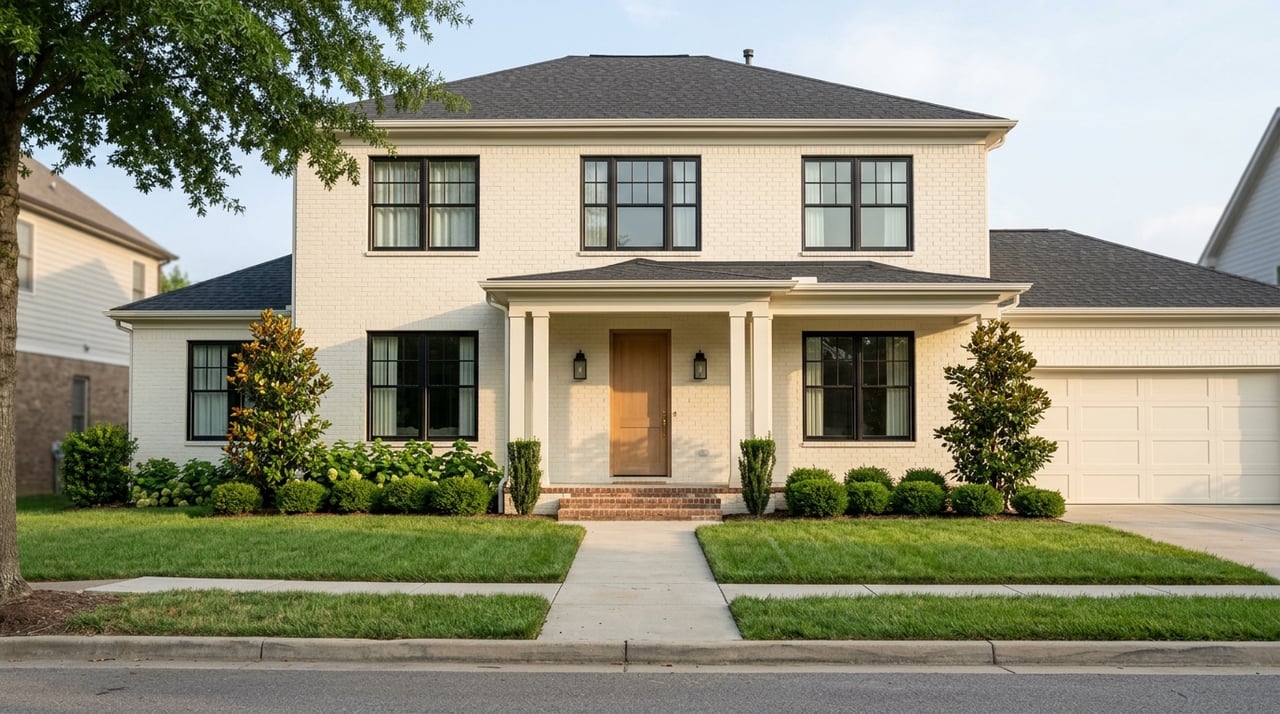
Wondering which part of Durham will actually feel like home? That is a smart question, because Durham is not a city where every area fits into neat, official borders. If you are relocating, moving across the Triangle, or just trying to narrow your search, it helps to think about Durham as a set of lifestyle clusters with different daily rhythms, housing styles, and access patterns. Let’s dive in.
Durham Districts Work More Like Lifestyle Zones
One of the most helpful things to know up front is that Durham does not have clearly defined neighborhood boundaries documented by the city. Durham’s planning department notes that small-area plan boundaries may not match how residents actually experience a place. In real life, that means your day-to-day routine matters more than a rigid map line.
As you compare areas, it helps to ask simple questions. Do you want to walk to coffee or dinner? Do you want a historic in-town street with character? Or do you want quick highway access and newer commercial conveniences? In Durham, those choices can shape your experience more than a district name alone.
Downtown Durham Feels Urban and Active
If you want the most urban pace in Durham, downtown is the clearest fit. Downtown Durham covers just one square mile, and it is set up for exploring on foot, by car, or by other short-trip options. The area has a strong event-driven rhythm, helped by the Bullpen social district and a layout that makes block-to-block living easy.
A downtown routine usually means being close to restaurants, nightlife, public art, and event venues. It often means less yard space and fewer big-box errands nearby. If your ideal day includes stepping out for dinner, catching an event, and walking home, downtown stands out.
City Center and American Tobacco
City Center blends taller buildings with historic architecture, so the feel is both modern and rooted in Durham’s past. Nearby American Tobacco shows how former industrial buildings have been repurposed into a destination area. Together, they create a compact, layered environment where old and new sit side by side.
For many buyers, this part of Durham feels energetic and convenient. You may be trading private outdoor space for easy access to amenities and activity. That trade-off can be a great fit if you value experience and location over square footage.
Brightleaf, Central Park, and Golden Belt
Brightleaf and the nearby warehouse-style areas continue that urban pattern with dining and entertainment in repurposed industrial spaces. Central Park adds a neighborhood-scale green space with a farmers’ market, concerts, movies, food truck rodeos, and community events. Golden Belt brings in a creative layer with artist and gallery space in a former hosiery factory.
This mix gives downtown more texture than many people expect. It is not only commercial or nightlife-focused. It can also feel creative, community-oriented, and surprisingly local from one pocket to the next.
Ninth Street Offers Walkability With a College-Town Feel
If you like in-town living but want something that feels a little more neighborhood-based than downtown, Ninth Street is worth a close look. It is often described as Durham’s college-town district, blending a historic shopping and dining area with contemporary buildings and amenities. With Duke’s East Campus a short walk away, the area has a lively and convenient feel.
This is the kind of place where your routine can stay compact. Coffee, casual meals, and daily errands can feel close at hand, and there is a built-in sense of activity throughout the week. For some buyers, that makes Ninth Street one of Durham’s easiest areas to settle into quickly.
Green Space Near the West Side
One thing that makes this part of Durham especially appealing is how close it is to major green space. Duke Gardens is free and open daily, and Duke Forest includes more than 7,000 acres with public access through gated entrances. That gives the west side a balance of city convenience and outdoor access.
If you want walkability without giving up nature entirely, this part of Durham offers a strong middle ground. It can feel active and connected while still giving you room to recharge outdoors.
Historic In-Town Areas Feel Distinct and Layered
Some of Durham’s most memorable districts are the historic inner neighborhoods. These areas often feel like small towns inside the city, with older housing stock, mature trees, and a stronger sense of architectural identity. They also vary quite a bit from one another, so it is worth looking beyond the broad label of “historic.”
Another important detail is that Durham has eight designated local historic districts. In those districts, exterior changes require a certificate of appropriateness. For buyers and sellers, that can mean a stronger preservation feel and more design oversight in certain areas.
West End and Hayti Carry Strong Historic Identity
West End is one of Durham’s oldest and largest historically African American neighborhoods. It is known for bungalow-lined streets, bike lanes, and a community-centered feel, with the Pauli Murray Center adding a present-day cultural anchor. The overall experience here is often more neighborhood-focused than downtown, while still staying close to the urban core.
Hayti and Fayetteville Street bring another layer of history and activity. Fayetteville Street is often described as the de facto Main Street of Hayti, and the corridor remains active with the presence of NCCU and cultural institutions like the Hayti Heritage Center. For buyers, this part of Durham can offer a strong sense of place and legacy.
East Durham Feels Residential and Historic
East Durham has a different texture from the west side and downtown-adjacent areas. It retained much of its fabric through the urban-renewal era, and today it is known for mature trees, cottages, cozy bungalows, and gable-and-wing houses. The area has also seen renewed entrepreneurship over time, adding fresh energy to its historic base.
If you are drawn to older homes and a more residential streetscape, East Durham may feel especially appealing. It tends to offer more of that lived-in, established character that many relocators are hoping to find.
Watts-Hillandale, Lakewood, and Rockwood
Watts-Hillandale is useful to know if you are picturing classic early-20th-century homes on tree-lined streets. The city describes it as a compact residential district with Queen Anne, Foursquare, revival-style houses, and bungalows. That gives it a particularly preserved, historic feel.
Lakewood and Rockwood often appeal to buyers who want quieter residential pockets near downtown. Lakewood grew around the trolley line, while Rockwood was designed in the 1920s around automobile use and later filled in with mid-century and ranch-style homes. In practical terms, these areas can feel a little calmer while still keeping you close to central Durham.
Southpoint and 15-501 Feel More Suburban
If your daily life is more car-based, Durham has several amenity-rich districts that feel more suburban than urban. Southpoint is one of the city’s most active and populous areas, anchored by The Streets at Southpoint at Interstate 40 and Fayetteville Road. With shopping, dining, a movie theater, and a social district, it reads more like a live-work-play suburb than a simple retail zone.
For many relocation buyers, Southpoint works well because it combines convenience with regional access. It is also close to Research Triangle Park, which can make commuting and daily logistics easier depending on where you work.
The 15-501 corridor has a similar suburban-commercial feel, though with more mixed-use development. University Hill adds apartments, retail, dining, public art, and entertainment in one modern project. If you want newer commercial conveniences and easy highway access, these districts often rise to the top.
North Durham Mixes Convenience and Nature
North Durham is one of the city’s most mixed-feeling areas. It includes shopping centers, fast-food corridors, residential neighborhoods, and forested areas, along with access to the Eno River, state historic sites, art spaces, and local food spots. That mix makes it harder to summarize in one sentence, but that is also part of its appeal.
This area can work well if you want options. Parts of North Durham feel more suburban, while others connect more closely to older in-town patterns like Old North Durham and Old Five Points, which were Durham’s first established suburbs.
Transit in North Durham and East Durham
Transit can also shape how a district feels. GoDurham’s downtown station is the fixed-route hub for the city and connects to regional services including GoTriangle, Greyhound, Megabus, and Amtrak. Durham also currently offers microtransit in both East Durham and North Durham, which can add flexibility for local trips.
Another long-term improvement to watch is the Durham Rail Trail, which is being designed as a 1.78-mile linear park intended to connect downtown with nearby neighborhoods such as Trinity Park, Duke Park, and Old North Durham. Projects like this can strengthen connections between districts and make daily movement feel easier over time.
How To Choose the Right Durham District
If you are trying to narrow your search, start with your weekday routine rather than a wishlist of landmarks. Think about where you will grab coffee, run errands, get outside, and how often you want to drive. In Durham, those everyday details change a lot from one area to another.
A simple way to think about it is this:
- Choose downtown or Ninth Street if you want the most walkable daily life.
- Choose West End, Hayti, East Durham, Watts-Hillandale, Lakewood, or Rockwood if you are drawn to historic character and established in-town streets.
- Choose Southpoint, the 15-501 corridor, or parts of North Durham if you want easier highway access, newer commercial conveniences, and a more suburban pace.
The best fit usually comes down to how you want your days to feel. Durham has enough variety that two homes with similar price points can offer very different lifestyles depending on the district.
If you are comparing Durham neighborhoods and want help matching your routine, priorities, and home style to the right area, Renee Rogers would love to help you make sense of the options and find the best fit.
FAQs
What does it mean that Durham districts are lifestyle clusters?
- It means Durham is best understood by how areas feel and function day to day, not by rigid official neighborhood boundaries.
What is daily life like in downtown Durham?
- Downtown Durham usually feels urban, walkable, and event-focused, with easy access to restaurants, nightlife, public art, and community spaces.
What is the feel of Ninth Street in Durham?
- Ninth Street has a lively college-town feel, with walkable shops and dining, nearby Duke access, and close proximity to major green spaces.
Which Durham districts have the most historic character?
- West End, Hayti, East Durham, Watts-Hillandale, Lakewood, and Rockwood are commonly associated with historic character, older housing stock, and established streetscapes.
What should buyers know about Durham local historic districts?
- Durham has designated local historic districts where exterior changes require a certificate of appropriateness, which can affect the ownership experience.
Which Durham districts feel more suburban?
- Southpoint, the 15-501 corridor, and parts of North Durham generally feel more suburban, with stronger car orientation and convenient access to shopping and highways.
What transit options matter when choosing a Durham district?
- Key options include the GoDurham downtown station as the city’s transit hub, regional connections through GoTriangle and Amtrak, and microtransit service in East Durham and North Durham.