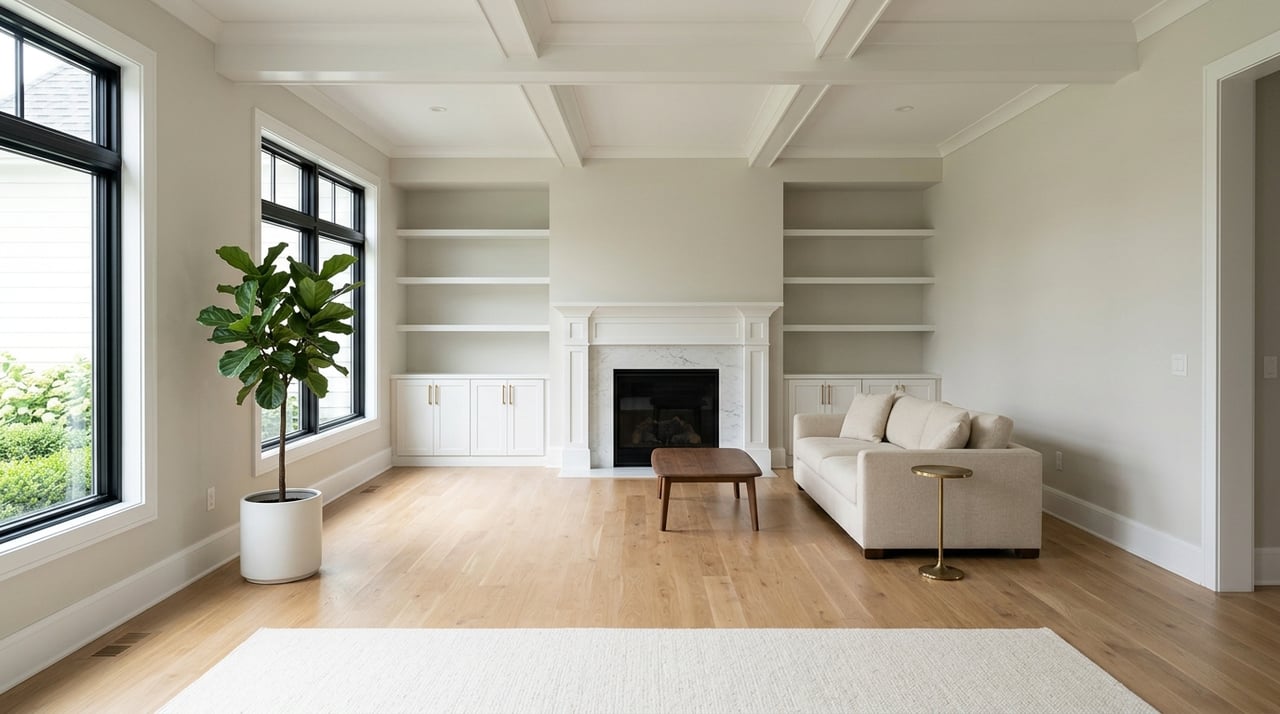
If you want to sell your Durham home well, confidence does not come from guessing the price or rushing to market. It comes from having a clear plan. In a market where many homes still sell close to asking price, your results often depend more on neighborhood pricing, strong preparation, and smart negotiation than on chasing a perfect launch date. Let’s dive in.
Understand Durham's market first
Durham remains an active seller market, but it is not a market where any list price will work. Recent public data shows inventory has increased year over year, homes are generally selling close to list price, and days on market are landing around the 39 to 40 day range depending on the source.
That matters because it points to a more balanced kind of seller advantage. Buyers are still active, and some homes receive multiple offers, but overpricing can slow momentum. In Durham, accurate pricing and strong presentation tend to do more for your outcome than a speculative markup.
Durham is not one market
One of the biggest mistakes sellers make is treating Durham like a single pricing zone. Neighborhood-level data shows that some areas move much faster than the citywide average. Realtor.com reported median days on market as low as 18 in Grove Park and 20 in Northgate Park, compared with 39 days citywide in March 2026.
That spread is why neighborhood comps matter so much. If you price your home from a broad Durham average instead of from recent nearby sales and local competition, you risk missing the market from day one.
Build your pricing strategy around local comps
Durham's recent sale-to-list ratios cluster near asking price. Realtor.com reported a 99% sale-to-list ratio in March 2026, Redfin found homes selling at about 1% below list, and Zillow showed a 0.984 sale-to-list ratio. While each source uses a different method, they all tell a similar story.
The takeaway is simple: price discipline matters. Buyers in Durham are responding to homes that feel well positioned for their neighborhood and condition, not homes that test the market too aggressively.
What smart pricing looks like
A strong pricing strategy usually starts with three things:
- Recent sales in your neighborhood or immediate area
- Current competing listings that buyers will compare against your home
- Your home's condition, updates, layout, and presentation
This is especially important if you are planning several months ahead. Market conditions can shift, so the right price is not just about where Durham was last season. It is about where your neighborhood stands when you go live.
Prepare your home before it hits the market
You do not need a full renovation to make a strong impression. For most sellers, pre-listing prep is really about cost control, clarity, and presentation. The goal is to reduce buyer hesitation and help your home show well online and in person.
The National Association of REALTORS® consumer guidance says a pre-sale inspection is not required, but it can help identify issues before buyers do. It can also help you decide what to repair, what to disclose, and what to price around.
Focus on high-impact prep
If you are deciding where to spend time and money, start with the basics that buyers notice right away:
- Declutter each room
- Deep clean windows, carpets, walls, and lighting fixtures
- Refresh curb appeal
- Address obvious maintenance issues
- Stage key spaces so buyers can picture daily life in the home
This kind of prep can improve both photos and showings. NAR's 2025 staging report found that 29% of agents said staging led to a 1% to 10% increase in value offered, and 49% observed faster sales.
Decide what to repair
Many sellers ask how much they should fix before listing. A helpful approach is to separate repairs into two groups: items that affect buyer confidence and items that are mostly cosmetic.
Larger systems like a roof, HVAC, or major appliances can come up quickly in negotiations, even if you choose not to replace them before listing. NAR recommends costing out major repairs in advance because buyers often factor those expenses into their offer price or repair requests.
Gather disclosures early
In North Carolina, disclosures are not something to leave until the last minute. Most residential sellers of one-to-four-unit properties must provide a residential property disclosure statement, unless a narrow statutory exception applies. The form requires you to disclose known conditions or state that you make no representation.
The disclosure covers issues such as structural components, mechanical systems, infestation, zoning and covenants, and environmental hazards. If your property is subject to an owners' association or mandatory covenants, North Carolina also requires a separate disclosure for covered properties.
Why early disclosure helps you
The North Carolina Real Estate Commission says a material fact is any fact that could affect a reasonable person's decision to buy, sell, or lease real property. In practice, that means known issues should be surfaced early, ideally before your home goes live.
Getting organized ahead of time can help you avoid delays and surprises once offers arrive. It also gives you more control over pricing, negotiations, and buyer expectations.
Special rule for older homes
If your home was built before 1978, federal law adds a lead-based paint disclosure requirement before most sales. That includes providing any known information and the approved lead disclosure materials.
If this applies to your property, it is worth preparing that paperwork early so it does not become a scramble once a buyer is ready to move forward.
Treat timing as a window
Many sellers want to know the single best week to list. While spring often gets the most attention, timing works better as a launch window than as one magic date.
Realtor.com's 2026 Best Time to Sell report identified April 12 to 18, 2026 as the peak national week based on listing activity and buyer traffic patterns. Even so, the same research notes that local conditions and mortgage rates still matter, and spring is not automatically the best season for every seller.
Readiness beats calendar chasing
In Durham, your best move is usually to list when three things are in place:
- Your home is prepared for photos and showings
- Your disclosures and property details are organized
- Your list price reflects current neighborhood comps
A polished, correctly priced home often has a stronger launch than a rushed listing timed to a headline about seasonality. Buyers notice when a home feels market-ready.
Know North Carolina negotiation basics
Once your home hits the market, preparation still matters. North Carolina's standard form contract includes a due diligence period. During that time, the buyer may terminate for any reason or no reason.
The due diligence fee is paid directly to the seller at contract acceptance. According to the North Carolina Real Estate Commission, that fee is generally nonrefundable if the buyer terminates during the due diligence period, though the exact amount can vary based on price point, timing, and local market conditions.
What sellers should decide before offers arrive
Because Durham homes may still receive multiple offers, it helps to know your priorities in advance. Think through your comfort level with:
- Due diligence fee amounts
- Due diligence period length
- Repair requests
- Seller concessions
- Contingency-heavy offers
The highest offer is not always the strongest offer. Terms matter, and your ideal contract depends on your timeline, your home's condition, and your risk tolerance.
A practical listing timeline
If you want to list your Durham home with less stress, a phased plan can help you stay ahead of the market.
3 to 12 months before listing
Use this window to understand your neighborhood position and gather information. Review neighborhood comps, think through your disclosure obligations, and decide whether a pre-sale inspection would give you helpful clarity.
If your property has an owners' association or was built before 1978, this is also a good time to sort out any related paperwork. Early planning gives you more options and fewer last-minute decisions.
60 to 90 days before listing
This is the time to focus on presentation. Declutter, deep clean, improve curb appeal, and stage the rooms that will matter most in photos and showings.
If you plan to bring in professional photography, make sure the home is photo-ready before that appointment. Strong visuals are a key part of how buyers decide which homes to tour.
Right before listing
As your launch date gets close, finalize your list price using the most recent local comps. At the same time, define your minimum acceptable net and your general stance on concessions and repair requests.
That preparation can make offer review much calmer. Instead of reacting emotionally, you can compare terms against a plan you already trust.
Confidence comes from preparation
Selling in Durham today is less about luck and more about execution. The strongest outcomes usually come from homes that are priced from neighborhood data, presented with care, and backed by clear disclosures before buyers start asking hard questions.
If you want a smoother listing experience, focus on what you can control. Preparation, pricing, and negotiation clarity can put you in a much stronger position from the moment your home hits the market.
If you're thinking about selling and want a neighborhood-first plan built around your home, your timeline, and Durham market conditions, Renee Rogers would love to help you map out your next steps.
FAQs
How should I price a home in Durham, NC?
- Start with recent neighborhood comps, current competing listings, and your home's condition rather than a broad Durham average. Recent market data shows many Durham homes are selling close to asking price, which makes accurate pricing especially important.
Should I get a pre-sale inspection before listing in Durham?
- A pre-sale inspection is not required, but it can help you uncover issues early, decide what to repair, and prepare for buyer questions before your home goes on the market.
What disclosures do Durham home sellers need in North Carolina?
- Most sellers of residential one-to-four-unit properties must provide a residential property disclosure statement, and some properties also require an owners' association or mandatory covenants disclosure. Homes built before 1978 usually also require lead-based paint disclosure.
What does due diligence money mean for Durham sellers?
- In North Carolina, the due diligence fee is paid directly to the seller at contract acceptance and is generally nonrefundable if the buyer terminates during the due diligence period. Sellers should review that term carefully along with price, contingencies, and repair expectations.
When should I start preparing my Durham home for sale?
- Ideally, start planning 3 to 12 months ahead by reviewing comps, disclosures, and possible repair needs. Then use the final 60 to 90 days to declutter, clean, improve curb appeal, and prepare for photography and showings.