Wondering if Chapel Hill can work for your job at UNC or in RTP? For many buyers, the answer is yes, but the right fit depends on how you want to live day to day, not just where you work. If you are balancing campus access, hospital shifts, RTP commutes, and a real home life, this guide will help you narrow your options and buy with more confidence. Let’s dive in.
Why Chapel Hill Works for UNC and RTP
Chapel Hill sits in a useful spot for buyers tied to both UNC and Research Triangle Park. UNC’s Memorial Hospital is on Manning Drive, and Chapel Hill’s local transit network serves key UNC destinations. RTP is also a major regional job center, with more than 55,000 employees and more than 385 companies.
That combination gives Chapel Hill an advantage for relocation buyers and local movers alike. You can prioritize being close to campus, choose a more residential setting, or look for an area with better access to regional commuter routes. In other words, Chapel Hill is not one commute pattern or one housing style.
Start With Your Commute Style
Before you focus on price or square footage, think about how you want your weekdays to feel. Some buyers want to walk, bike, or use local transit for short trips to UNC. Others need easier regional access for regular drives or bus connections toward RTP.
The Town of Chapel Hill promotes transit, biking, walking, and park-and-ride as everyday commuting tools. Chapel Hill Transit is fare-free, which can be a real benefit if you want to reduce driving for campus-related travel. For many buyers, that changes what “convenient” really means.
If You Work at UNC
For UNC employees, proximity to campus, UNC Hospitals, and downtown can make a big difference. Chapel Hill Transit route 400 serves UNC Campus, UNC Hospitals, and Franklin Street. If your routine centers on classes, research, meetings, or hospital access, that local connection may matter as much as your door-to-door drive time.
UNC Health lists Memorial Hospital on Manning Drive, and local transit routes stop there. That is especially important if you want options beyond driving every day. Buyers with variable schedules often benefit from testing both drive and transit routes before choosing a neighborhood.
If You Work in RTP
If you commute to RTP, Chapel Hill can still be a strong home base, but your location within town matters more. GoTriangle route 800 links the Regional Transit Center, Southpoint, South Road at Student Stores, and Manning Drive at UNC Hospitals. The Town’s commuter information also highlights route 805 as a Chapel Hill-to-RTP connection.
For many RTP-bound buyers, easier access to east-side roads, park-and-ride locations, or regional bus routes can shape the search. A home that feels slightly farther from downtown Chapel Hill may still be the better choice if it improves your overall routine. That is why commute testing matters so much here.
Best Areas to Consider in Chapel Hill
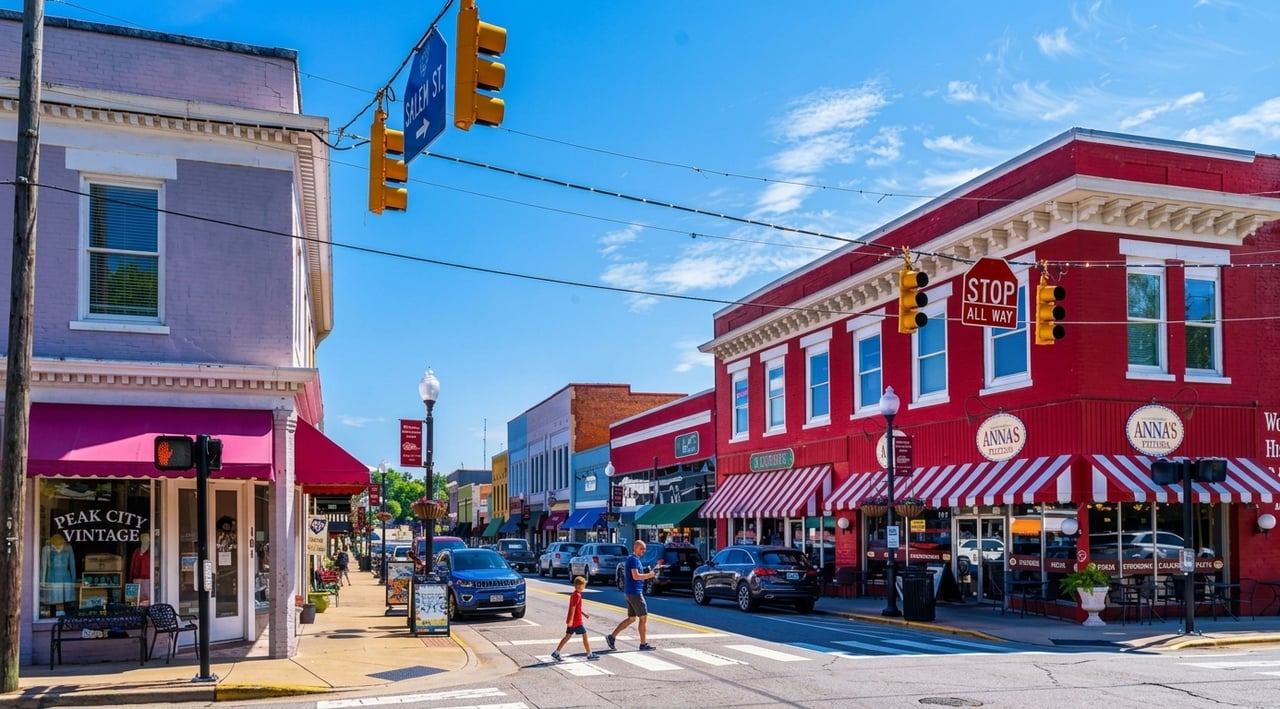
Chapel Hill includes several distinct districts, including downtown, Southern Village, and University Place. For buyers, that means you are not choosing just a town. You are choosing a lifestyle pattern.
Near Campus and Downtown Access
If you want shorter trips to UNC and easy access to downtown activity, areas near campus deserve a close look. Northside is a historic, centrally located neighborhood near UNC and downtown Carrboro. The Town also notes that Northside has long-standing housing pressures, which is worth keeping in mind when inventory feels tight.
This part of town may appeal to buyers who value location efficiency over a more suburban feel. Bolin Creek Trail connects downtown Chapel Hill, Northside, and the Community Center area through the Tanyard Branch Trail. If walk and bike access matter to you, this is one of the clearer areas to study first.
South Chapel Hill for Space and Park-and-Ride
South Chapel Hill often feels more suburban and more park-and-ride oriented. Southern Village park-and-ride sits just off 15-501 South, which can be helpful if you want a quieter residential base with transit access built into your routine. For some buyers, that creates a better balance between work demands and home life.
Southern Community Park adds athletic fields, a dog park, a fitness course, and trail connections. If your home search includes outdoor amenities and a more residential setting, this area may be worth prioritizing. It can be a practical fit for buyers who do not need to be right next to campus every day.
East Chapel Hill for Mixed Convenience
East Chapel Hill has a more mixed suburban-retail feel. Meadowmont Park includes athletic fields, indoor basketball, picnic shelters, a pond, and wooded walking trails. The Blue Hill District is also home to older suburban-style shopping centers such as Eastgate, Village Plaza, and Rams Plaza.
This side of town also matters for commuters. The Friday Center park-and-ride is located off Friday Center Drive and NC 54, which can be useful for buyers who want to stay on the east side of Chapel Hill while keeping RTP access in mind. If you want a blend of neighborhood living and everyday convenience, this area is worth comparing carefully.
What the Market Means for Your Search
Chapel Hill is a competitive market. Over the three months ending May 2026, Redfin reports that homes averaged four offers, sold in about 29 days, and had a median sale price of $626,625. That pace can make it harder to wait too long once you find the right fit.
There is also meaningful price variation within Chapel Hill. Recent median sale prices were $624,814 in 27516, $629,813 in 27517, and $747,278 in 27514. Orange County’s median sale price was $571,244.
For you, the practical takeaway is simple. Commute convenience, neighborhood age, and housing type can influence price almost as much as the Chapel Hill address itself. Two homes in the same town can offer very different daily experiences and very different values.
How to Buy More Strategically
When you are buying in Chapel Hill for a UNC or RTP job, a smart search goes beyond online listings. You want to compare how each area supports your actual week, not just your ideal weekend. That means pressure-testing commute routes, neighborhood feel, and local property rules.
Test These Before You Offer
Here are a few practical checks to make before you move forward:
- Drive the commute at rush hour, not just mid-day
- Compare walkability with park-and-ride convenience
- Check whether the property is in a neighborhood conservation district
- Confirm school assignment if that is part of your decision-making
- Review whether the home’s location supports your preferred transit options
These steps can help you avoid buying a home that looks right on paper but feels harder in daily life. In a competitive market, clarity is a real advantage.
Pay Attention to Conservation Districts
The Town says Chapel Hill has ten neighborhood conservation districts, and Northside and Pine Knolls have their own design guidelines. If you are considering updates, additions, or exterior changes, do not assume every property offers the same flexibility. This is an easy detail to miss during a fast-moving search.
Checking district status early can save time and frustration later. If a home is in an area with design guidelines, that does not make it a bad choice. It simply means you should understand the rules before you commit.
School Assignments Matter to Some Buyers
If school assignment is part of your search, confirm it directly as you evaluate homes. Chapel Hill-Carrboro City Schools is one of two public school systems in Orange County and serves more than 11,000 students across four high schools, four middle schools, eleven elementary schools, and UNC Hospital School.
Because assignments and district lines can shape your options, it is best to verify them while narrowing your search. This is especially important if you are relocating and still learning how Chapel Hill and Orange County are organized.
Can You Live Car-Light in Chapel Hill?
Yes, many buyers can. Chapel Hill Transit is fare-free, and the Town actively promotes transit, biking, walking, and park-and-ride as commuting strategies. That does not mean every address will feel equally easy without a car, but it does mean a car-light lifestyle is realistic in the right location.
Park-and-ride can also expand your options. Current Town permits are $2 daily, $21 monthly, and $250 annually. The Town also notes that UNC and GoTriangle commuter permit rules are separate from Town permits, so it is worth checking the details if you plan to mix systems.
The Right Chapel Hill Home Is About Fit
If you work at UNC or in RTP, buying in Chapel Hill is rarely just about finding the closest house. It is about matching your home to your work pattern, commute tolerance, and lifestyle priorities. A near-campus location, a south-side park-and-ride routine, or an east-side commuter setup can each be the right answer for a different buyer.
That is where local guidance can make the process feel much simpler. When you compare neighborhoods through the lens of your real schedule, you are much more likely to buy a home that works well long after move-in day.
If you want help narrowing Chapel Hill neighborhoods based on your commute, budget, and day-to-day lifestyle, Renee Rogers would love to help you find the right fit.
FAQs
Is Chapel Hill a good place to buy if you work at UNC?
- Yes. Chapel Hill offers close access to UNC Campus, UNC Hospitals on Manning Drive, and fare-free Chapel Hill Transit, including route 400 serving campus, hospitals, and Franklin Street.
Is Chapel Hill a practical home base for RTP commuters?
- Yes. Chapel Hill connects to RTP through GoTriangle routes 800 and 805, and some buyers may also benefit from park-and-ride options depending on where they live in town.
What Chapel Hill areas should UNC buyers compare first?
- Buyers focused on UNC access often start with near-campus areas, including places near downtown and Northside, because of their central location and easier access to campus-related destinations.
What Chapel Hill areas may appeal to RTP commuters?
- South and East Chapel Hill can be worth a closer look because of park-and-ride access, regional connections, and easier positioning for RTP-bound commuting.
How competitive is the Chapel Hill housing market?
- Recent market data show Chapel Hill is competitive, with homes averaging four offers, selling in about 29 days, and posting a median sale price of $626,625 over the three months ending May 2026.
What should you verify before buying a home in Chapel Hill?
- Test your commute at rush hour, compare transit and driving options, check for neighborhood conservation district rules, and confirm school assignment if that is important to your search.