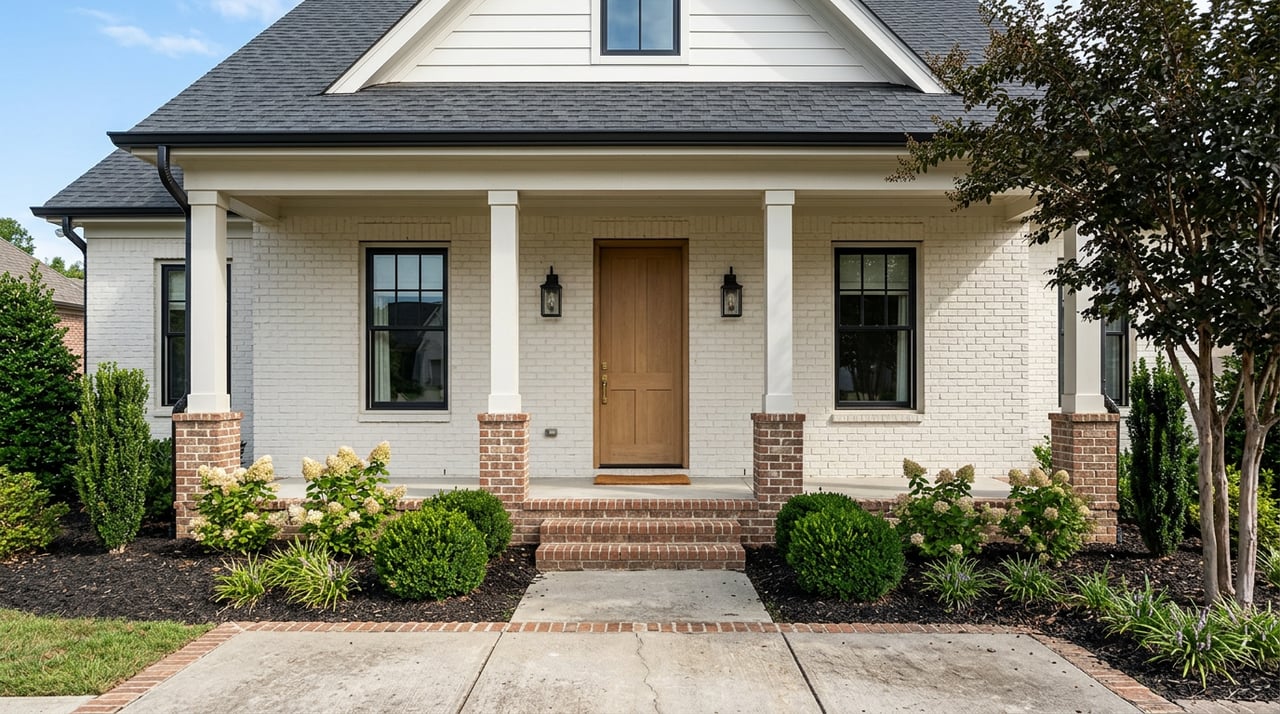
Thinking about selling your Wake Forest home at $800,000 or more? In this price range, your property will compete not only with the best of Wake Forest but also with premium options in North Raleigh. You want top-dollar without delays or last-minute surprises. In this guide, you’ll learn how to price with precision, prep like a pro, choose the right media plan, and navigate permits, disclosures, timing, and costs so you launch with confidence. Let’s dive in.
Know your premium market
Most Wake Forest homes sell well below the upper tier, so an $800K+ listing stands out. Recent consumer platform snapshots show Wake Forest’s typical home value near the low-to-mid $400K–$500K range, with one index reporting a value around $504,332 and another showing a median sale price near $455,000 and median days on market in the 50s. That spread confirms the upper tier is a different game. Your listing will be judged on lot size, design, finishes, and location benefits, not just square footage.
Expect buyers to cross-shop North Raleigh, where many premium neighborhoods cluster. That comparison puts a spotlight on tradeoffs like commute, finishes, and outdoor space. In Wake County, the mean travel time to work is roughly 25 minutes, which helps explain why buyers in this tier weigh proximity to highways along with home features and outdoor living. You can see commute context in the town’s QuickFacts profile from the U.S. Census Bureau at the Wake Forest level for a helpful frame of reference: U.S. Census QuickFacts.
Price for today’s demand
Upper-tier buyers are selective, and the market rewards accurate pricing. Recent local data shows sale-to-list ratios in the high 90s and median days on market around 50 to 60 days in Wake Forest. Most price discovery happens in the first 7 to 14 days after launch. Overpricing can lead to visible reductions that signal weakness to the market. Regional reporting also notes more sellers using price cuts when they start too high, which can reduce leverage later. See context on this trend in Raleigh area coverage: price reduction trend analysis.
Smart list price plays
- Price at market to invite strong early interest. This can increase your chances of multiple offers without signaling excess room for negotiation.
- Sit just below a common search threshold. For example, pricing at 799,900 can capture more saved searches than 805,000, depending on buyer filters.
- Leave room for concessions if needed. If your property has a few compromises versus active competition, a modest buffer can help you negotiate repairs or credits without a public reduction.
To choose the right path, ask for a detailed comparative market analysis focused on $800K+ Wake Forest sales within the past 6 to 12 months, plus current actives and pendings. Also compare select North Raleigh comps if your most likely buyer would cross-shop there. Note differences in lot size, age, renovations, and school assignments so you price to the market you are truly in.
Inspect before you list
A clean, transparent file reduces risk and renegotiations later. In North Carolina, most sellers must provide the Residential Property and Owners’ Association Disclosure Statement. You must deliver the form no later than the time a buyer makes a written offer. If conditions change before closing, update the disclosure. Review the statute here: North Carolina Residential Property Disclosure Act and practical guidance here: Nolo’s NC seller disclosure overview.
For premium Wake Forest listings, consider a pre-list home inspection and targeted add-ons. Common choices include a general inspection, WDI/termite report, roof inspection, HVAC service with an operating report, electrical panel check, and a sewer scope for older homes. For homes with pools, order a pool inspection. For rural or larger lots, confirm well and septic status. Many lenders, including VA financing and some FHA or USDA loans, may require a termite inspection in North Carolina. You can avoid delays by ordering a WDI report early. Learn more about VA-related termite expectations here: VA loan termite notes.
Aim to complete inspections and any high-impact repairs 4 to 8 weeks before photos. This gives you time to address safety or system issues that might spook buyers or become a credit request later.
Confirm permits, HOA, and ARC
If you completed renovations or added features, confirm permits and approvals. The Town of Wake Forest requires permits for most construction, pools, accessory buildings, decks, and certain electrical work. If you have unpermitted work, talk with your agent and a local closing attorney about options before listing. Review the town’s permit guidance here: Wake Forest permits and inspections.
If your property is in an HOA, check architectural review requirements early. Pools, fences, exterior changes, and some landscaping typically require written approval. Buyers and their lenders may ask for proof of approvals, so it helps to have your paperwork ready.
Focus repairs and updates
Use your inspection report to fix the issues most likely to appear on a buyer’s due diligence list. Then shift to visible refreshes that deliver outsized impact. National Cost vs Value guidance shows targeted projects often recoup a strong share of cost relative to large-scale renovations. Examples include fresh interior paint, updated lighting and hardware, power washing and landscaping, and a minor kitchen refresh like new counters or a backsplash. Explore recent project return patterns here: Cost vs Value report.
For a premium listing, balance cosmetics with substance. A new garage or front door, tuned-up HVAC, repaired roof items, and crisp exterior paint can reassure buyers that the home is well cared for.
Stage and market like a pro
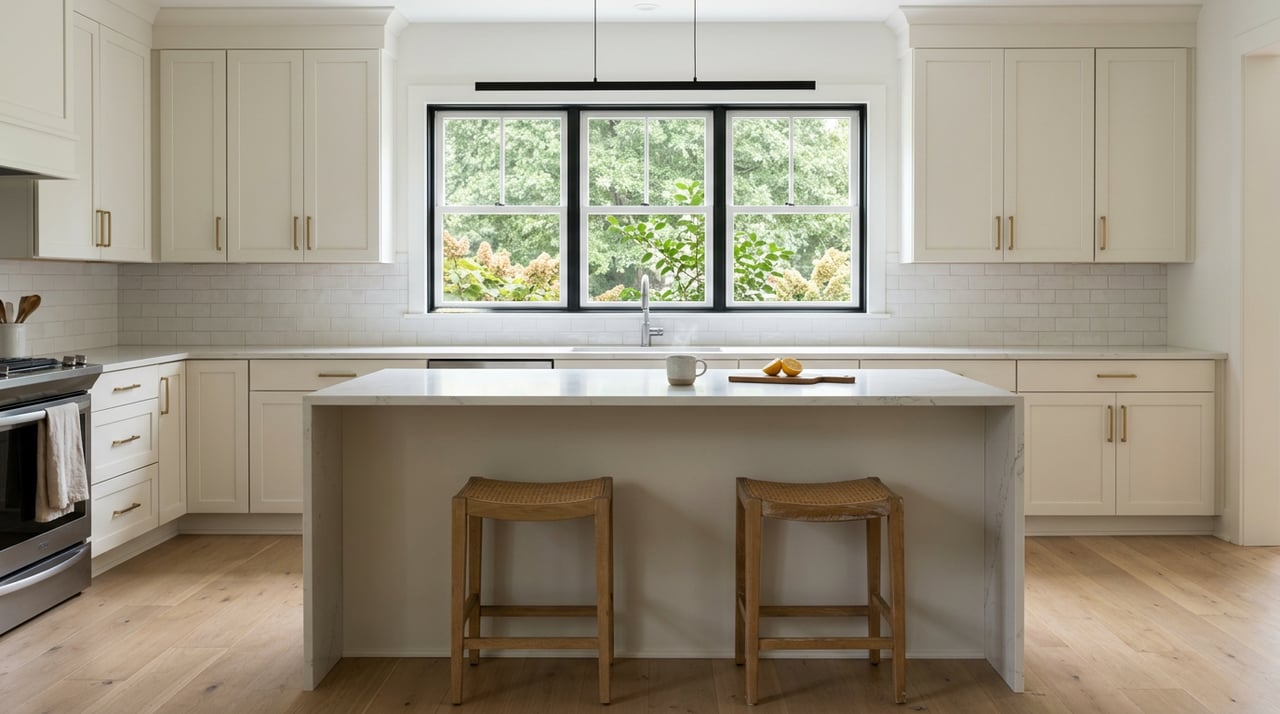
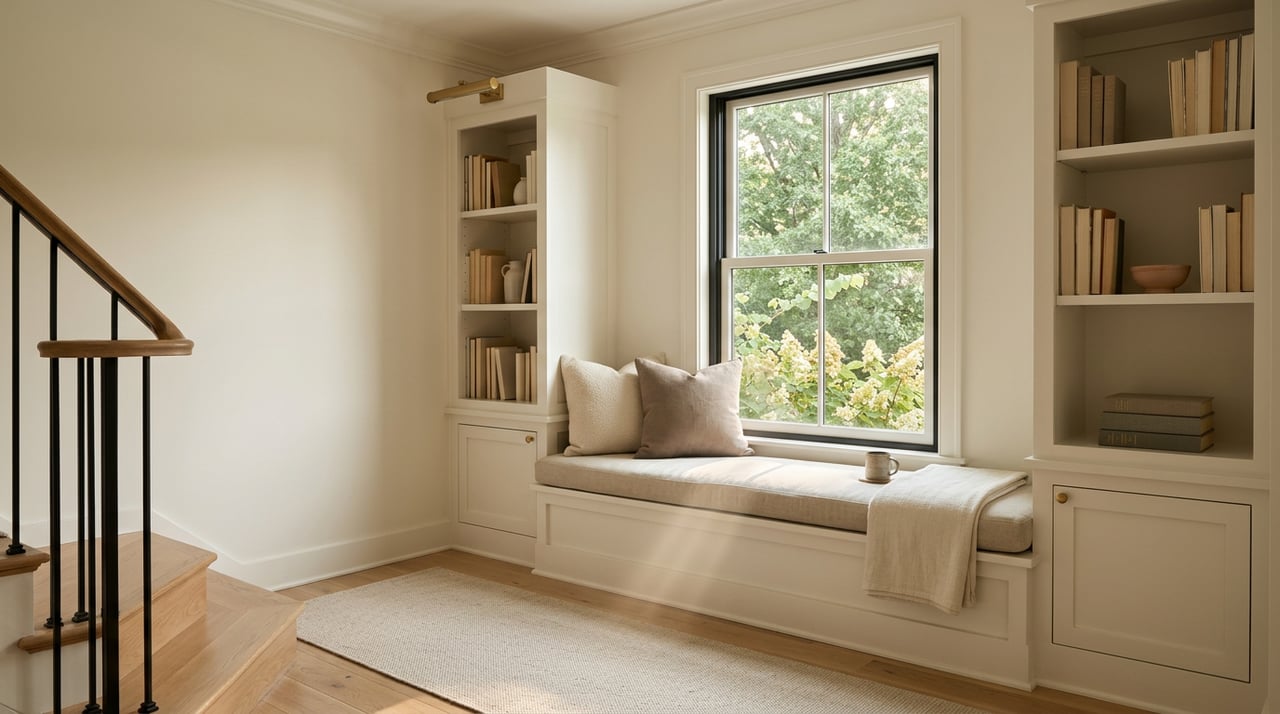
Staging is more than decor. It helps buyers visualize how they will live in the home. The National Association of REALTORS reports about 29 percent of seller agents saw staging produce a 1 to 10 percent increase in offers, and nearly half said staging reduced time on market. The living room, kitchen, and primary bedroom are the top rooms to stage. See the summary here: NAR 2025 Home Staging report.
For $800K+ listings, buyers expect high-quality media. At minimum, plan for:
- Professional HDR interior and exterior photography
- A measured floor plan with approximate dimensions
- Aerial or drone images to showcase the lot and setting
- A 3D virtual tour for out-of-area or timeline-sensitive buyers
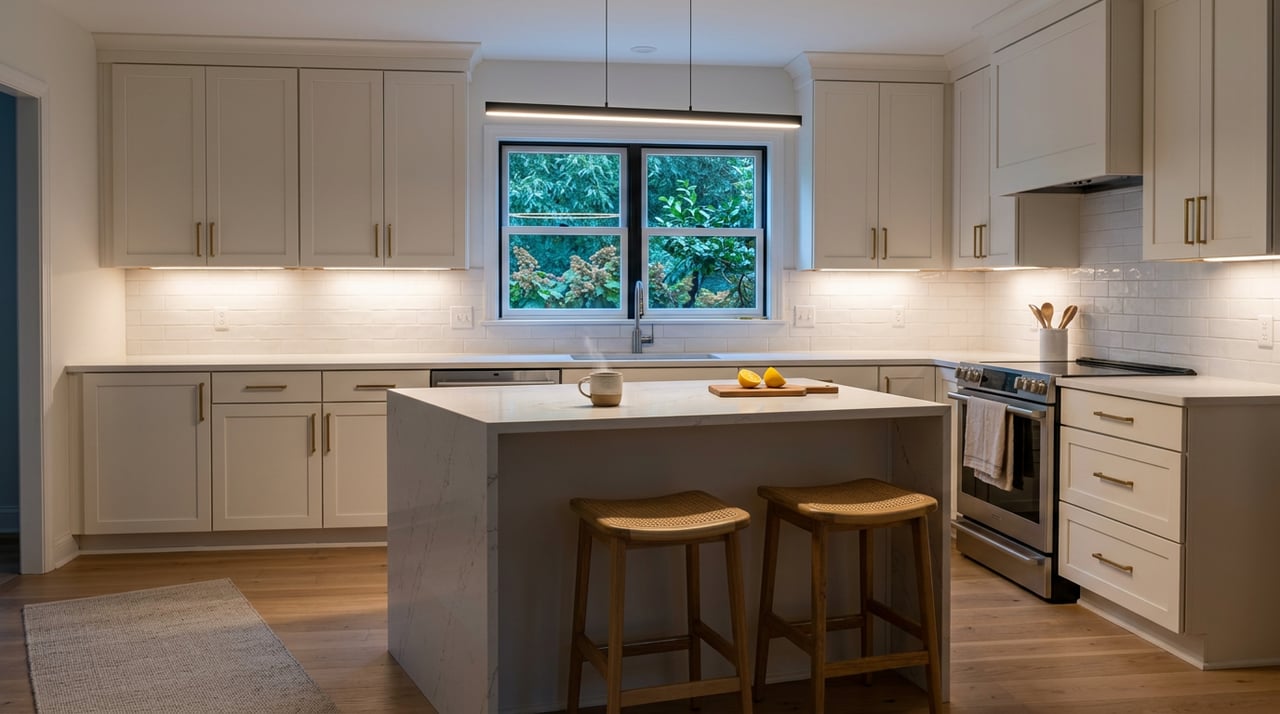
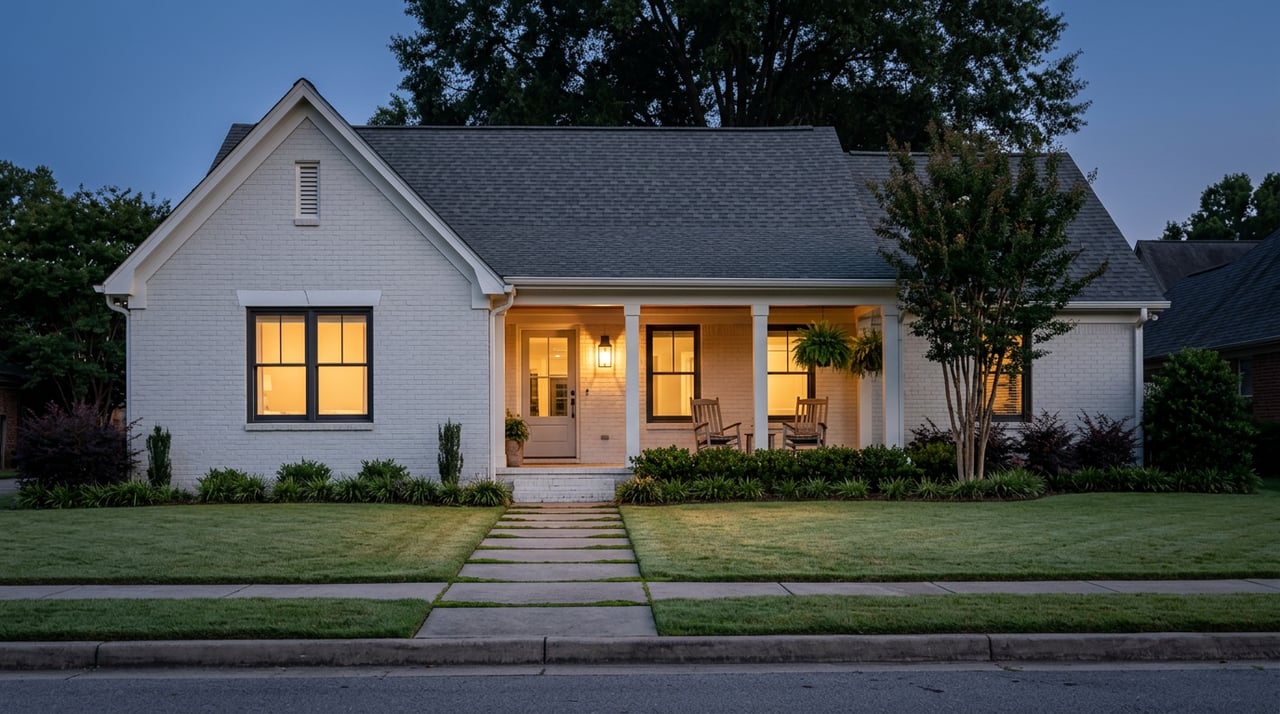
High-impact add-ons include twilight photography, a short lifestyle video, and partial or full physical staging in key rooms. Typical local budgets often look like this: photography in the $300 to $900 range, drone $150 to $500, 3D tour $150 to $500, and physical staging from $2,000 to $8,000+ depending on scope. Your agent can tailor the package to your property’s strengths.
Plan your launch window
Spring often brings the greatest foot traffic in the Triangle, though an early-year launch can pay off when inventory is tight. The key is to be photo-ready and fully prepared before you go live. Your strongest wave of attention will arrive in the first 1 to 2 weeks. Align repairs, staging, and media around that window for maximum impact. For a quick view on why spring is typically active, see this local perspective: Triangle spring market overview.
A practical timeline for premium listings looks like this:
- 8 to 12 weeks out: Select your agent, request a pricing strategy and CMA, schedule inspections, and decide on your staging and media budget.
- 4 to 6 weeks out: Complete high-impact repairs and safety fixes, order any needed permits, and do a landscaping refresh. Book staging and schedule media.
- 1 to 2 weeks out: Install staging, capture photos, drone, 3D tour, and video. Draft the property story and finalize disclosures.
- Launch week: Go live on MLS, share with the agent network, monitor feedback, and stay responsive during the crucial first 7 to 14 days.
Negotiate with clarity
Early preparation pays off at the offer table. Pre-list inspections, documented repairs, and complete disclosures reduce surprise credits and help you hold your price. For a refresher on why disclosures matter and how they shape negotiations in North Carolina, review this resource: NC seller disclosure guidance.
If you expect cross-shopping with North Raleigh, prepare a one-page feature comparison that highlights what your property delivers for the price. Examples include lot size, outdoor living, flexible rooms, and proximity to commuting routes. Strong media plus a complete property file often lead to cleaner offers and fewer delays.
Understand seller costs
North Carolina sellers typically pay the real estate commission as agreed in the listing contract, state excise tax, attorney and settlement fees, recording, prorated property taxes, and HOA resale or transfer fees if applicable. Overall, many sellers see total closing costs land around 5 to 8 percent of the sale price, depending on the agreed commission and any credits or repairs.
One line item is set by statute: the state excise tax on deeds is $1 per $500 or fraction of the sales price, usually collected at recording. For example, at $800,000, the excise tax is $1,600. See Wake County recording guidance here: NC excise tax reference.
Ask your agent and closing attorney for a custom net sheet early so you can make decisions with clear numbers.
Your 12-week premium prep plan
Use this quick-reference checklist to stay organized:
Strategy and pricing
- Request a CMA focused on $800K+ Wake Forest sales and key North Raleigh comps.
- Choose a list-price strategy that fits your goals: at-market, just-below threshold, or with room for concessions.
Inspections and repairs
- Order pre-list inspection and WDI report. Add roof, HVAC service, and sewer scope as needed.
- Prioritize safety and system fixes, then high-ROI refreshes like paint and lighting.
Approvals and paperwork
- Confirm permits for past projects with the Town of Wake Forest. Gather final approvals and COs if relevant.
- Check HOA and ARC approvals for exterior changes. Compile rules and resale documents early.
- Complete the NC Residential Property and Owners’ Association Disclosure Statement and update if needed.
Staging and media
- Book staging for the living room, kitchen, and primary bedroom at minimum.
- Schedule professional photos, drone, floor plan, and a 3D tour. Consider twilight shots and a short video.
Launch and negotiation
- Time your debut to avoid heavy competing inventory when possible.
- Track showings and feedback in the first 7 to 14 days and adjust strategy only with clear data.
Ready to position your Wake Forest home for a premium result? Let’s build a plan tailored to your property’s strengths and your timeline. Schedule a consultation with Renee Rogers to get started.
FAQs
What defines a premium Wake Forest listing at $800K+?
- You are competing above the town’s median price band, often against newer custom builds, larger lots, or extensively updated homes, and with comparable options in North Raleigh.
How should I pick comps for an $800K+ price?
- Use closed Wake Forest sales in the same tier from the last 6 to 12 months and add select North Raleigh comps if your likely buyer would cross-shop, then adjust for lot, age, renovations, and location.
Which pre-list inspections matter most in North Carolina?
- A general inspection and WDI/termite report are common, with roof, HVAC service, and sewer scope added as needed; some loans, including VA, often require a termite report in North Carolina.
Do I need permits or HOA approval before listing?
- You should verify permits for past work with the Town of Wake Forest and confirm any required HOA or ARC approvals for exterior changes so buyers and lenders have a clear paper trail.
What closing costs do Wake County sellers usually pay?
- Expect commission as agreed, NC excise tax at $1 per $500 of price, attorney and settlement fees, recording, prorated taxes, and HOA resale fees if applicable; ask for a custom net sheet.
When is the best month to list in Wake Forest?
- Spring often brings the most activity, but early-year launches can benefit from tight inventory; the best time is when your home is fully prepped and competing inventory is light.