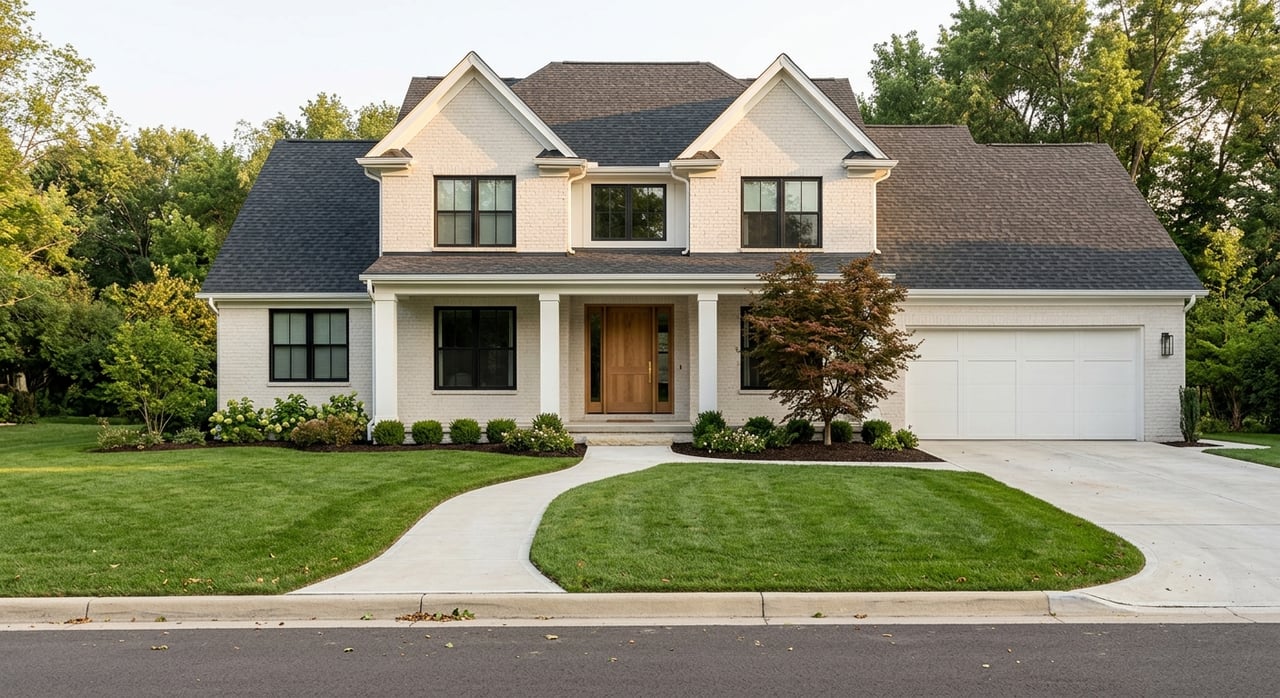
Starting a new role at UNC or with a hospital system in Chapel Hill is exciting, but the move itself can feel like a lot to untangle. You may be juggling start dates, housing choices, school enrollment, parking questions, and the reality that your job site may not be in just one location. The good news is that with the right plan, you can make your move smoother and choose a home that fits your daily life, not just your budget. Let’s dive in.
Why commute planning comes first
If you are relocating to Chapel Hill for a UNC or hospital career, your first housing decision should be built around your work geography. According to UNC Health facility information, UNC Hospitals’ main Chapel Hill campus is at 101 Manning Drive, and UNC Health also has a Chapel Hill presence in the Meadowmont area as well as the UNC Hospitals Hillsborough Campus.
That matters because the best home for your move is not always the one closest to downtown Chapel Hill. If your role includes shifts, clinics, training, or meetings at more than one site, your day-to-day routine may depend just as much on route access and parking setup as it does on mileage.
Chapel Hill housing decisions also often overlap with university and research commutes. Chapel Hill-Carrboro City Schools notes that the district is near both UNC and Research Triangle Park, which reflects how many local households balance work, school, and regional travel all at once.
Use transit as a real housing tool
One of the biggest surprises for many relocators is that transit can be a practical part of daily life here. Chapel Hill Transit serves Chapel Hill, Carrboro, and UNC communities, operates 21 routes, reports more than 7 million rides per year, and has been fare-free for more than 20 years.
That means you do not have to think about your commute in terms of driving only. In many cases, a home that lines up with the right route can work better than one that looks close on a map but creates a more complicated drive or parking routine.
Transit-connected areas to watch
The town’s Common Destinations guide identifies several neighborhoods and activity centers with transit access, including:
- Meadowmont
- Southern Village
- Northside
- Glen Lennox
- North Carrboro
- Downtown Chapel Hill
The same guide shows that UNC Hospitals is on most routes, while the UNC Hospitals Outpatient Center at Eastowne is on the CL Route. For many buyers, that makes it easier to compare neighborhoods based on how they connect to work instead of focusing only on straight-line distance.
A route that stands out for hospital workers
If your job is centered on the main hospital campus, the NS Route is especially useful to know. It links Eubanks Road Park and Ride, Martin Luther King Jr. Boulevard, North Columbia and West Franklin, Manning Drive at UNC Hospitals, and Southern Village Park and Ride.
For someone moving from out of town, that route can help narrow your search early. A neighborhood with reliable access to the NS Route may offer a more flexible workday than a home that requires parking on campus every day.
Understand parking before you choose a home
Parking can shape your routine just as much as your address. Chapel Hill Transit’s Park & Ride information lists official lots at Eubanks Road, Jones Ferry, and Southern Village, along with daily, monthly, and annual fees.
The town also notes that permits usually take about 10 to 14 business days to arrive by mail. That timeline is important if you are starting a new job quickly after your move.
There is another key detail to keep in mind. The town states that UNC park-and-ride permits are honored in town lots, but town permits are not valid in UNC lots. If you are a UNC employee or student, you will need to confirm your parking arrangement through the UNC system separately.
What this means for your home search
When you compare homes, try asking questions like these:
- Which employer location will you use most often?
- Will you drive daily, ride transit, or combine both?
- Is a nearby park-and-ride more useful than being a few minutes closer by car?
- Do you need flexibility for more than one work site?
A commute-friendly home in Chapel Hill is often the one that fits your real routine, not just the one with the shortest drive on paper.
Plan for schools early
If you are moving with children, school logistics deserve attention as early as your commute plan. CHCCS is one of two public school systems in Orange County, serves more than 11,000 students, and includes four high schools, four middle schools, eleven elementary schools, and a school for young people being treated at UNC Hospital.
Examples of CHCCS high schools listed by the district include Carrboro High, Chapel Hill High, East Chapel Hill High, and Phoenix Academy High School. If school assignment is part of your decision, it is important to verify the exact address rather than assuming a home falls into a particular district.
Orange County also has a separate public system. Orange County government notes that Orange County Schools serves more than 7,400 students, which is why address-level confirmation matters so much when you are buying in the Chapel Hill area.
Helpful tools for relocating families
CHCCS offers several resources that can make a long-distance move easier, including:
- School Profiles
- An International Welcome Center
- Language and interpretation resources
- A Back to School Guide
- Online enrollment tools
For the 2026-2027 school year, new-student registration is scheduled to launch on May 15, 2026. The district says families can register online or in person at Lincoln Center, and it specifically directs families to use the School Assignment Map to identify the correct school.
Renting vs. buying in Chapel Hill
If your move is job-driven, it is normal to wonder whether you should rent first or buy right away. The Consumer Financial Protection Bureau explains that renting can make sense if you want flexibility or are not ready for the maintenance and financial responsibilities that come with ownership.
Buying may make more sense if you want stability, the chance to build equity, or a specific school district. The same CFPB guidance also reminds buyers to account for repairs, property taxes, insurance, HOA dues, and ongoing maintenance.
If there is a real chance you may move again in the first few years, transaction costs can reduce the financial upside of buying. On the other hand, if your role is likely to keep you in the area and you want to settle into a neighborhood that supports your routine, buying may be worth exploring sooner.
Build a relocation timeline that works
A smoother Chapel Hill move usually comes down to putting the right tasks in the right order. If you plan to buy, one of the most important early steps is financing.
The CFPB says a preapproval letter is tentative, sellers often want one before accepting an offer, and many preapproval letters expire in 30 to 60 days. That means preapproval should be timed carefully so it supports your search without going stale too soon.
The CFPB also notes that lenders may ask for additional documents before closing and borrowers should respond quickly to lender requests to avoid delays. If you are moving from another city or state, it helps to think of your relocation as a sequence, not a scramble.
A practical order of operations
Here is a simple framework for a UNC or hospital relocation:
- Confirm your primary work location or locations.
- Compare neighborhoods by transit access, drive patterns, and parking setup.
- Verify school assignment if that applies to your household.
- Decide whether renting or buying fits your timeline.
- Get preapproved if you plan to buy.
- Prepare documents early so you can move quickly when the right home appears.
How to compare neighborhoods from a distance
If you are relocating from outside the Triangle, your home search may begin on a screen long before it becomes an in-person tour. That is where local tools can make a big difference.
The Chapel Hill Transit Common Destinations guide can help you compare neighborhoods, hospitals, and activity centers from afar. Pair that with CHCCS school tools and your worksite details, and you can narrow your options with much more confidence.
In practical terms, the strongest relocation plan usually combines four things:
- Your actual work location
- Your likely commute method
- Your school assignment needs
- Your financing and move timeline
When those pieces line up, it becomes much easier to choose a home that supports your life in Chapel Hill from day one.
If you are planning a move for UNC or hospital work, having a local guide can save you time and reduce guesswork. Renee Rogers can help you compare Chapel Hill area neighborhoods, think through commute patterns, and build a smart relocation plan that fits your timeline.
FAQs
What should you consider first when relocating to Chapel Hill for UNC or hospital work?
- Start with your job location or locations, because UNC Health roles may involve the main Chapel Hill campus, Meadowmont-area clinics, or Hillsborough, and that affects which neighborhoods make the most sense.
Which Chapel Hill neighborhoods have transit access for hospital commuters?
- The town identifies areas such as Meadowmont, Southern Village, Northside, Glen Lennox, North Carrboro, and Downtown Chapel Hill as transit-served in its Common Destinations guide.
How does Chapel Hill Transit help UNC and hospital employees?
- Chapel Hill Transit is fare-free, serves Chapel Hill, Carrboro, and UNC communities, and connects many neighborhoods to UNC Hospitals and other major destinations.
What parking details matter when moving to Chapel Hill for a UNC job?
- You should review park-and-ride options, permit timing, and UNC-specific parking rules, because town permits are not valid in UNC lots and some permits can take 10 to 14 business days to arrive.
How can families verify school assignment in Chapel Hill before buying a home?
- Families should confirm the exact address and use CHCCS tools such as the School Assignment Map, because Orange County includes more than one public school system.
Is renting or buying better when relocating to Chapel Hill for a new hospital career?
- It depends on your timeline, flexibility needs, and financial goals, since renting can offer flexibility while buying may provide stability, equity-building, and access to a preferred school district.