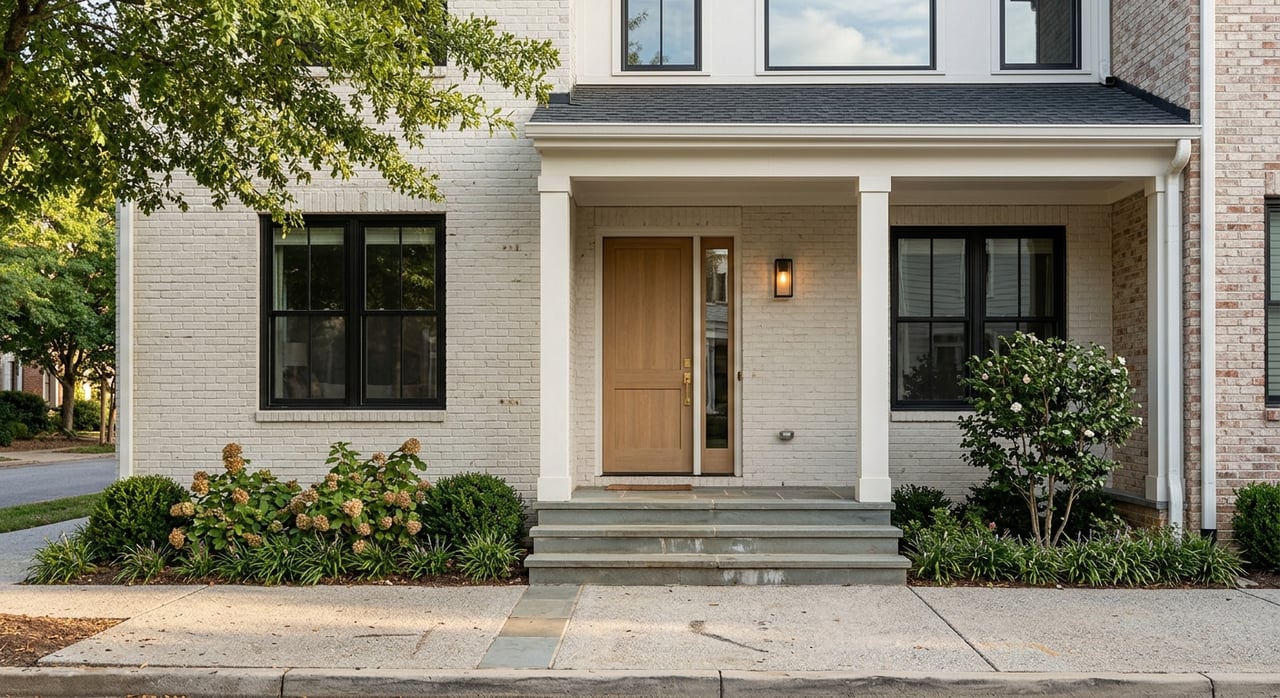
Are you picturing weekend coffee runs and easy walks to dinner, or a front porch shaded by mature trees on a quieter residential street? If you are home shopping in Durham, that choice can shape your day-to-day life as much as the home itself. Understanding how downtown Durham compares with Durham’s historic residential streets can help you focus your search, set expectations, and choose a neighborhood that truly fits. Let’s dive in.
Downtown Durham at a Glance
Downtown Durham is the city’s mixed-use core and historical center of economic activity, according to the City of Durham Comprehensive Plan update. In practical terms, that means you will find a tighter mix of housing, offices, restaurants, parks, and cultural destinations in one connected area.
For many buyers, the biggest draw is convenience. Downtown offers a built-in rhythm where errands, dining, entertainment, and commuting options can be closer together. If you want a lifestyle that feels active and connected, downtown often delivers that most consistently.
What downtown living often feels like
Life downtown tends to revolve around access. You may have more opportunities to walk, bike, or use transit instead of relying on your car for every outing. That can be a major plus if your schedule is busy and you want more flexibility in how you move through the day.
The numbers support that pattern. Downtown Durham has a Walk Score of 77, which is well above Durham’s citywide average of 30. The area also benefits from major transportation connections, including Durham Station, which serves about 14,000 riders daily, plus ongoing city projects tied to bike lanes, rail trails, and the Central Durham BRT corridor.
Downtown housing options
If you are drawn to low-maintenance living or a more urban home style, downtown gives you a broader mix of choices. The city notes that downtown includes apartments, condominiums, townhouses, and senior residences, along with a historic fabric that spans styles such as Italianate, Classical Revival, Colonial Revival, Art Deco, Moderne, and mid-century Modernism.
Today’s inventory adds even more variety. You may find renovated warehouse condos with exposed brick and high ceilings, newer towers, or townhomes at different price points. That range can appeal to first-time buyers, relocation buyers, and move-up buyers who want location first and yard work second.
Historic Streets at a Glance
If downtown is about activity and access, Durham’s historic streets are often about atmosphere and residential character. Nearby historic neighborhoods tend to feature older homes, mature trees, and a stronger emphasis on preserving the look and feel of the neighborhood over time.
That does not mean every historic area feels the same. Durham’s historic neighborhoods vary widely in price, architecture, and walkability. Still, many buyers are drawn to the sense of place these streets offer, especially if you value porches, detailed craftsmanship, and a more traditional neighborhood setting.
What historic neighborhood living often feels like
Historic residential streets can offer a slower daily rhythm. You may trade some of downtown’s all-in-one convenience for a setting that feels more rooted in residential design and long-term neighborhood identity. For many buyers, that trade is worth it.
Walkability in these areas tends to be more block-by-block. For example, Watts-Hillandale has a Walk Score of 55, while a Trinity Park address near West Knox Street scores 47. City correspondence describes Trinity Park as about 40 square blocks of tree-lined streets filled with historic homes and buildings, and the planned rail trail network is expected to strengthen links between neighborhoods like Trinity Park, Duke Park, Old North Durham, Pearl Mill Village, and downtown.
Historic housing styles in Durham
One of the biggest reasons buyers choose historic streets is the housing stock itself. Durham’s preservation documents describe a wide range of home styles across neighborhoods, including Craftsman bungalows, Colonial Revival houses, Foursquares, Victorian homes, Tudor Revival examples, Spanish Colonial Revival details, and homes with prominent porches.
Morehead Hill, Trinity Heights, Trinity Park, and Watts-Hillandale each have their own architectural personality. Some homes are carefully restored, while others blend original features with modern updates. If you love older homes, this variety can make the search more exciting, but it also means you need to look closely at condition, renovation quality, and maintenance needs.
Walkability and Commute Considerations
When you compare downtown Durham with historic streets, walkability is often the first real lifestyle divider. Downtown offers the strongest concentration of connected sidewalks, bike infrastructure, transit, and nearby amenities. If being able to step outside and reach more destinations on foot matters to you, downtown usually has the edge.
Historic streets can still be connected, but the experience is less uniform. Some blocks feel pleasantly walkable, while others depend more on driving for daily routines. If you are considering a historic neighborhood, it helps to think beyond the home and picture your actual week: coffee runs, grocery trips, commuting, dog walks, and weekend plans.
Questions to ask yourself
- Do you want restaurants, parks, and errands closer together?
- Would you use transit, bike routes, or rail-trail connections regularly?
- Do you prefer a busier mixed-use environment or a more residential feel?
- Are you comfortable driving more often in exchange for older architecture and larger lots?
These questions can quickly clarify which side of Durham fits your lifestyle better.
Home Style and Maintenance Tradeoffs
Your home preference may matter just as much as location. Downtown homes often appeal to buyers who want more modern layouts, adaptive-reuse design, or lower exterior maintenance. Condos and townhomes can be especially attractive if you want to spend less time on upkeep.
Historic homes often offer details that are hard to replicate in newer construction. You may find original woodwork, larger porches, distinct facades, and established landscaping. At the same time, older homes can bring more maintenance questions, from windows and roofing to systems updates and long-term repair planning.
Renovation and preservation rules
This is an important part of the decision. In Durham, local historic districts are zoning overlays, and a Certificate of Appropriateness is required before exterior changes in a local historic district or on a local landmark. That requirement applies to all properties in a designated local historic district, regardless of the age or significance of a specific home.
The Downtown Historic District Overlay also includes additional design rules tied to the preservation plan and downtown design district, such as build-to lines, step-backs, and height standards. For buyers, that means preservation can help protect neighborhood character, but it can also add review steps if you plan to change the exterior.
National Register status is different
It is also important to know that National Register status does not work the same way as a local historic district. The City of Durham explains that National Register listing brings recognition and may open the door to rehabilitation tax credits, but it does not itself restrict private-property use, transfer, or disposition.
North Carolina’s preservation guidance, as cited by the city, notes that some income-producing rehabs may qualify for a 20% federal credit and a 15% to 25% state credit, and some owner-occupied historic residences may qualify for a state credit if the work meets required standards. If tax incentives are part of your plan, it is worth asking early how the property is designated and what rules apply.
Price Points May Surprise You
Some buyers assume downtown will always cost more, while historic neighborhoods will always offer a discount. Durham does not work that neatly. The current market snapshot shows that pricing depends heavily on property type, location, lot size, condition, and renovation quality.
According to current Redfin downtown data, downtown condos have a median listing price of $820,000, downtown townhouses are at $567,000, and downtown home types show a median sale price of $843,000 as of February 2026. Active downtown examples range from a one-bedroom warehouse condo at $363,000 to new townhomes around $500,000 to $999,000, with higher-end tower and penthouse units above that.
Historic neighborhood pricing is just as varied. Recent Redfin snapshots place Watts-Hillandale at a median sale price of $486,000, Trinity Park at $749,000, Morehead Hill at $767,000, and Forest Hills at $1.55 million. In other words, historic does not automatically mean cheaper.
How to Choose the Right Fit
The best choice usually comes down to how you want to live, not just what style of home you admire online. A downtown condo can be perfect if you want easy access, less exterior upkeep, and a more urban pace. A home on historic streets may be a better fit if you want architectural detail, mature landscaping, and a residential setting with long-standing character.
Here is a simple way to frame it:
| If you value... | You may prefer... |
|---|---|
| Strong walkability and transit access | Downtown Durham |
| Mixed-use convenience and newer housing options | Downtown Durham |
| Porches, older architecture, and mature trees | Historic streets |
| A more residential daily rhythm | Historic streets |
| Lower-maintenance condo or townhome living | Downtown Durham |
| Distinctive older homes with character | Historic streets |
You do not have to decide this from a spreadsheet alone. Touring both settings in person often makes the answer much clearer, because the daily feel of each area is hard to capture with photos or stats alone.
If you are weighing downtown Durham against Durham’s historic streets, the right move is to match the home search to your routine, priorities, and comfort level with maintenance or preservation rules. Renee Rogers can help you compare neighborhood feel, housing options, and market reality so you can move forward with confidence.
FAQs
What is the main lifestyle difference between downtown Durham and Durham’s historic streets?
- Downtown Durham offers a denser mixed-use environment with stronger walkability, transit access, and a wider mix of condos and townhomes, while historic streets tend to offer older homes, mature trees, and a more residential feel.
Is downtown Durham more walkable than historic neighborhoods in Durham?
- Yes. Downtown Durham has a Walk Score of 77, while historic neighborhoods mentioned in current snapshots are lower and vary by block, such as Watts-Hillandale at 55 and a Trinity Park address near West Knox Street at 47.
Are homes on Durham’s historic streets always less expensive than downtown homes?
- No. Pricing varies widely by neighborhood, property type, lot size, condition, and renovation level, and some historic neighborhoods have median sale prices that match or exceed many downtown options.
Do historic homes in Durham come with renovation restrictions?
- Some do. If a home is in a local historic district, exterior changes typically require a Certificate of Appropriateness, while National Register status alone does not automatically restrict private-property use.
What types of homes can you find in downtown Durham?
- Downtown Durham includes apartments, condominiums, townhouses, and senior residences, along with adaptive-reuse spaces like warehouse condos and newer tower or townhome developments.
How can you decide between downtown Durham and a historic Durham neighborhood?
- Start with your daily routine, commute preferences, maintenance comfort level, and the kind of home style you want, then compare those priorities against what each area offers in person.