If you have been wondering whether Durham is still a good place to sell, the short answer is yes, but not in the same way it was a few years ago. Buyers are still active, prices are still solid, and well-prepared homes can stand out, but today’s market gives less room for guesswork. If you want to sell with confidence, it helps to understand what current pricing really means for your strategy. Let’s dive in.
Durham prices still show demand
Durham’s March 2026 local MLS snapshot shows a $410,000 median sales price in the city, with 33 median days on market, 98.6% of list price received, and 3.0 months of inventory. Those numbers point to a market that still has healthy demand, even as it feels more balanced than the peak frenzy many sellers remember.
The county tells a similar story. Durham County posted a $415,000 median sales price, 32 days on market, and 3.0 months of inventory in March 2026, which suggests the city trend is a strong guide for the broader area too.
This matters if you are thinking about listing soon. Buyers are still purchasing at a steady pace, but they are not rushing into every home without pause. That means your price, presentation, and timing all carry more weight.
What changed from last month
Compared with February 2026, Durham’s market picked up in ways that look seasonal. The city’s median sales price rose from $382,230 to $410,000, median days on market dropped from 52 to 33, and new listings increased from 530 to 659.
That kind of movement usually points to a spring market boost rather than a sudden shift back to an ultra-competitive seller’s market. In plain terms, more buyers are engaging, and homes are moving faster than they did a month earlier, but sellers still need to be realistic.
If you are planning your sale around the idea that any home will sell instantly at any price, today’s numbers do not support that approach. If you are planning around smart pricing and solid preparation, the market is still giving sellers real opportunity.
Today’s prices mean strategy matters more
One of the biggest takeaways for sellers is that the market is not collapsing, but it is less forgiving. The local MLS shows Durham City prices down 6.8% year over year, while Redfin shows a smaller 1.2% year-over-year decline. Even though the exact percentage varies by source, both point to the same idea: pricing discipline matters more than it did during hotter years.
Sellers are also no longer getting an automatic premium above list across the board. Durham City homes are receiving about 98.6% of list price on average, while Redfin reports a 98.4% sale-to-list ratio for the city. Durham County is around 99%, which still shows strong demand, but also suggests buyers have some room to negotiate.
For you, this means the first list price is one of the most important decisions you will make. If you start too high, your home may sit, and once a listing starts to feel stale, it often invites price cuts or stronger buyer requests.
Is now a smart time to sell in Durham?
For many sellers, the answer is yes, especially if your home is well-prepared and priced with the current market in mind. Durham still has limited inventory at 3.0 months, and the typical home is selling in about a month. That is not a weak market.
At the same time, this is not a list-high-and-wait market. Inventory is higher than in tighter periods, and average sale-to-list ratios are below 100%. Buyers are paying attention to value and condition, and they have a bit more confidence when asking for concessions or repairs.
If your goal is to move on a clear timeline and protect your equity, now can still be a strong window. You just need a plan that fits today’s conditions, not yesterday’s headlines.
Durham neighborhoods do not move the same
Citywide averages are useful, but they can hide major differences from one part of Durham to another. That is especially important when you are setting expectations for price and timing.
South Durham can move slower
In 27713, a key South Durham zip code, Redfin reports a March 2026 median sale price of $409,750, with 156 homes sold and 60 median days on market. Homes there averaged about 2 offers, and the average home sold about 1% below list price.
That tells you something important. Even in a market with healthy demand overall, some areas can take noticeably longer to sell than the city average. If your home is in a slower pocket, pricing precision becomes even more important.
Downtown Durham supports higher prices
Downtown Durham shows a very different pattern. Redfin reports a $750,000 median sale price there in March 2026, with 39 days on market, while describing the area as not very competitive.
That means higher prices do not always equal faster sales. If you own in a premium urban location, buyers may still be selective, and your marketing and presentation need to support the price point.
Duke Forest shows premium variability
Duke Forest offers another example of how wide the spread can be. Redfin identifies it as Durham’s most competitive neighborhood, with a March 2026 median sale price of $807,500. Hot homes there can go pending in about 16 days and may sell around 6% above list.
But that same neighborhood data also shows not every home performs the same way. One recent sale took 147 days and closed 9% under list. That is a strong reminder that even in premium areas, the standout homes and the slower homes can have very different outcomes.
Why comparable sales matter more now
Because some neighborhood-level data is based on a small number of monthly sales, median prices can swing sharply from one month to the next. That makes broad Durham averages less useful when you are deciding how to price your specific home.
The most helpful approach is to look at nearby comparable sales with a similar property type, condition, and size. A downtown condo, a South Durham move-up home, and a custom home in a premium pocket may all live under the Durham umbrella, but they do not compete in the same lane.
This is where local guidance can protect you from two common mistakes:
- Pricing too high based on broad city headlines
- Pricing too low because of one weak nearby sale
- Ignoring condition differences that buyers will notice immediately
- Assuming your neighborhood is moving exactly like another Durham submarket
What sellers should expect in negotiations
Most Durham sellers should expect some negotiation, but not necessarily a dramatic discount. Based on current citywide data, the average sale is landing roughly 1% to 1.5% below list price.
That is a manageable spread for many sellers, but the amount can grow if a home feels dated, needs repairs, or lingers on the market. In slower pockets, or when a buyer has several similar homes to compare, requests for credits or repairs may show up more often.
Common negotiation points can include:
- Closing cost assistance
- Repair requests after inspection
- Small price reductions
- Mortgage-rate help or other seller concessions
The key is not to fear negotiation. The key is to price and prepare your home well enough that you negotiate from a stronger position.
Prep still makes a difference
In today’s Durham market, visible condition matters. Realtor.com’s Durham County guidance notes that minor cosmetic updates typically help, while homes sold as-is may attract investors at 10% to 20% below market value.
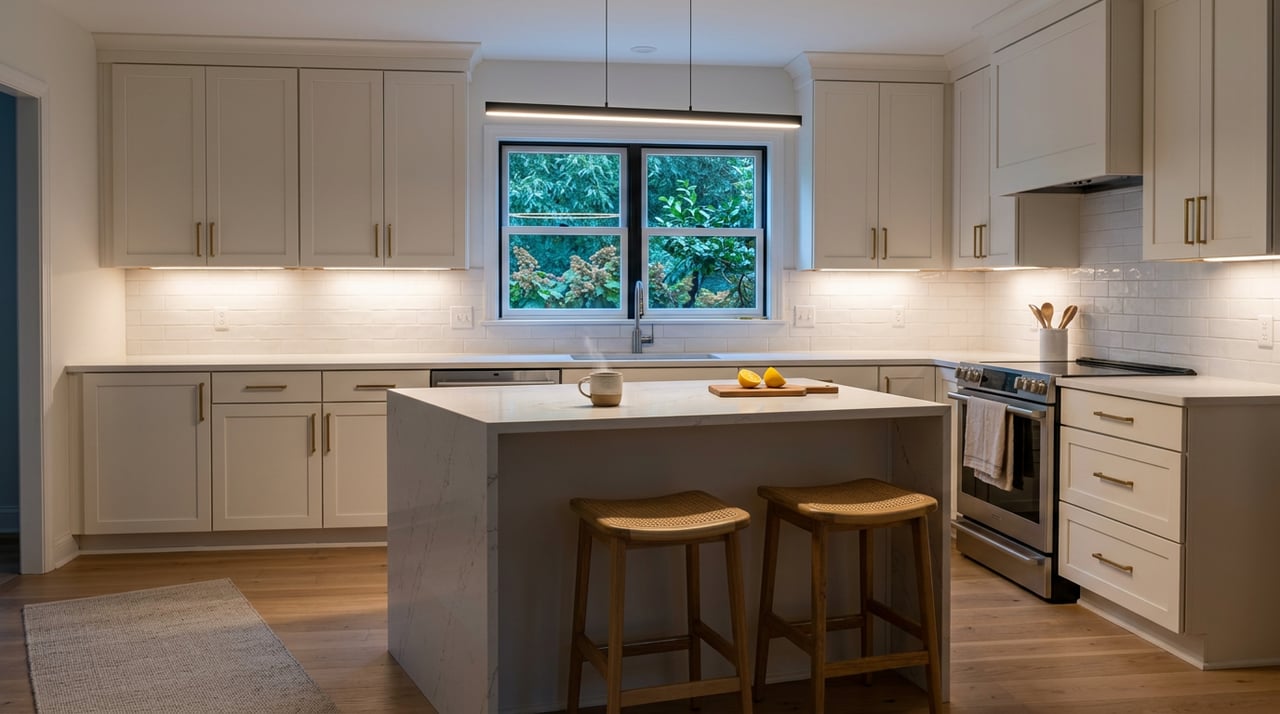
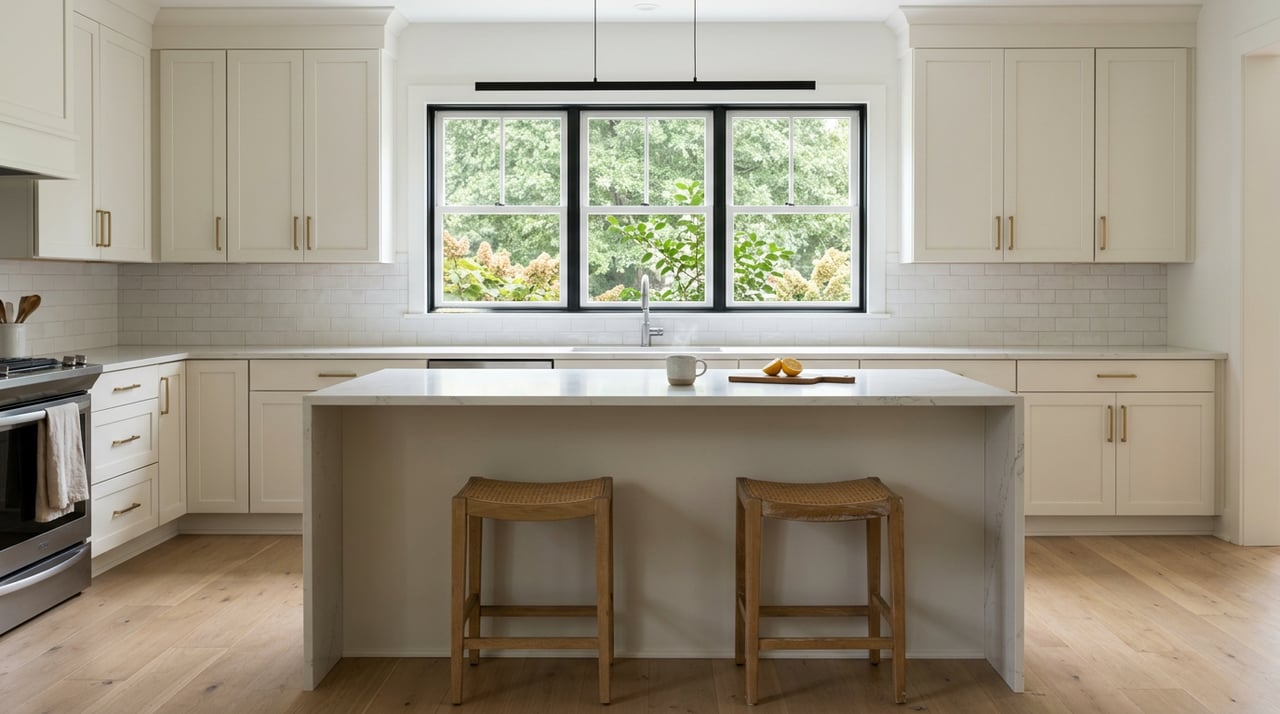
For many sellers, that supports a practical prep plan instead of an expensive overhaul. Fresh paint, touch-ups, light staging, clean presentation, and small visible fixes can help your home compete better without taking on major renovation costs that may not come back to you at closing.
Before listing, it may help to focus on:
- Fresh neutral paint where needed
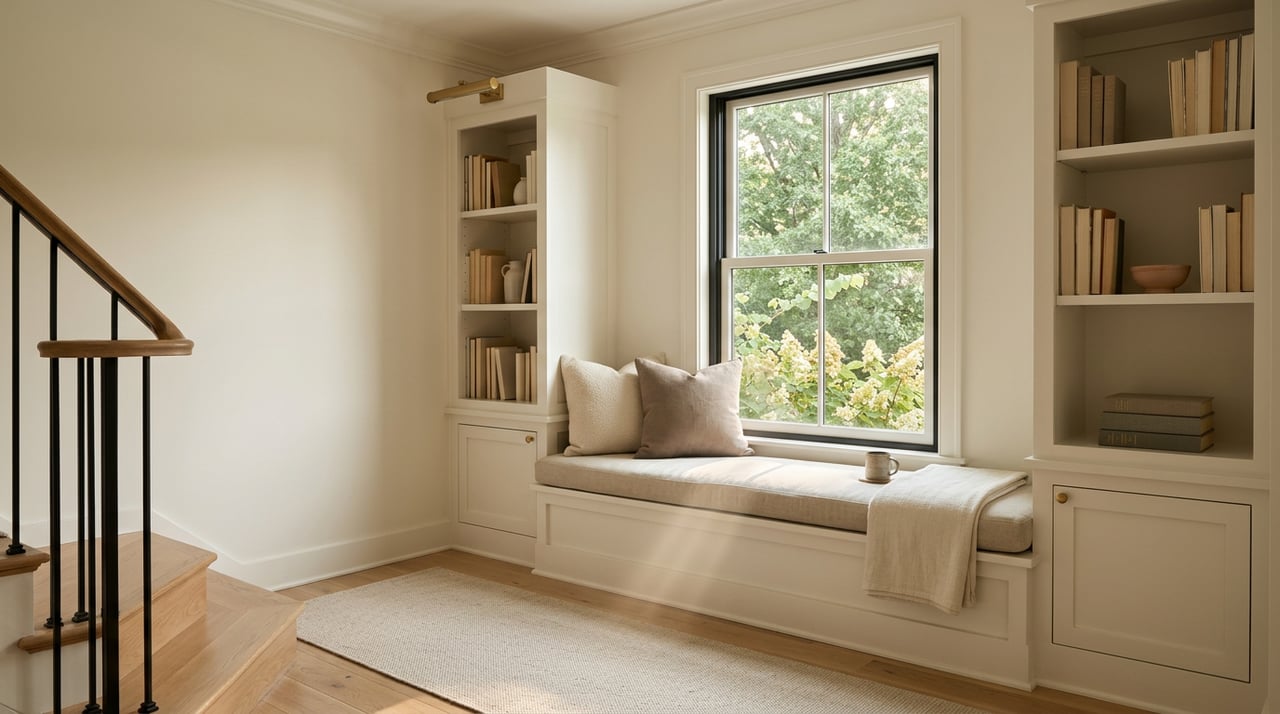
- Decluttering and simplifying each room
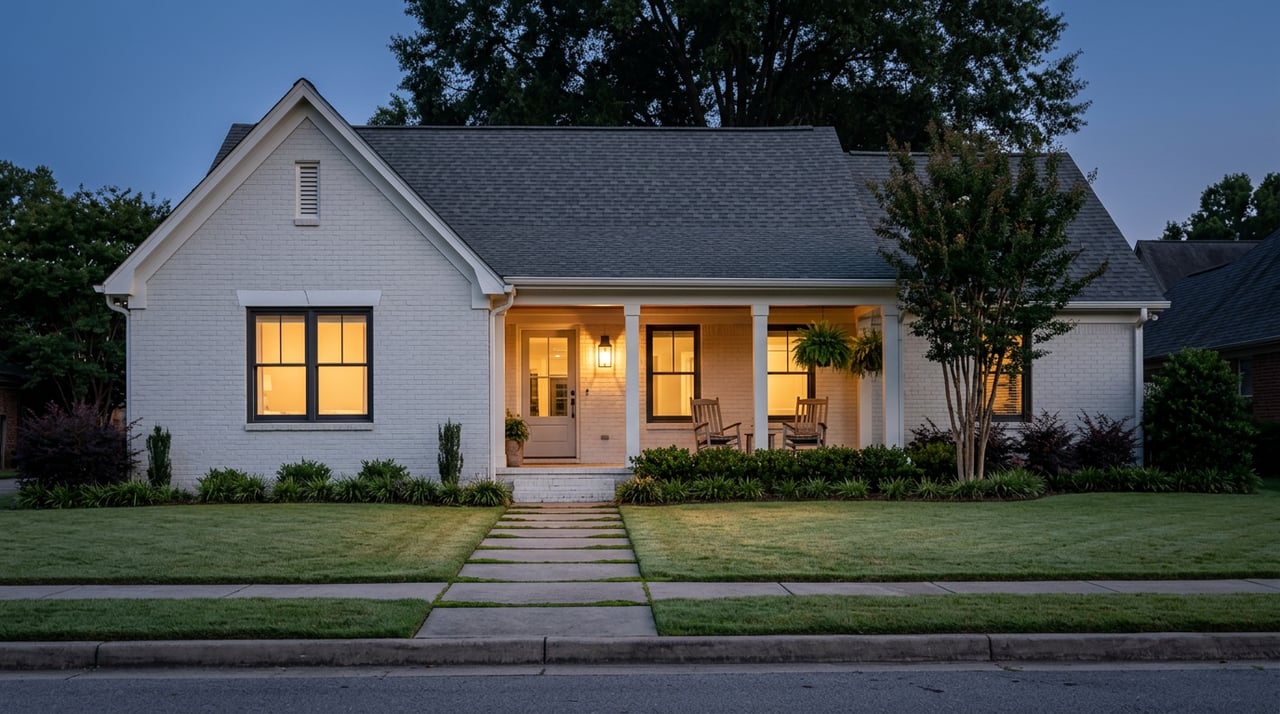
- Improving lighting and basic curb appeal
- Addressing obvious deferred maintenance
- Presenting the home with professional photography and thoughtful staging support
Those details can shape how buyers respond in the first few days on market, and those first days matter.
Timing matters for move-up sellers
If you need your sale proceeds to help fund your next purchase, timing deserves extra attention. Durham’s average days on market are no longer short enough to assume your home will sell immediately.
Some homes still move quickly, especially in strong condition and at the right price. But neighborhood variation is real, and even premium homes can take longer when presentation or pricing misses the mark.
If you are a move-up seller, it helps to plan for flexibility. That could mean allowing a longer closing window, preparing for a short overlap, or considering temporary housing if your next purchase timeline does not line up perfectly.
The big picture for Durham sellers
Durham is still in demand, and current prices show that buyers continue to value the market. The difference now is that demand feels more measured. Buyers are active, but they are also comparing, negotiating, and taking a closer look at condition and value.
That creates a market where thoughtful sellers can still do very well. If you price based on true comps, prepare your home carefully, and build your plan around your specific neighborhood and timeline, today’s market can still work strongly in your favor.
If you are thinking about selling in Durham and want a neighborhood-specific strategy, Renee Rogers can help you evaluate your home’s position in today’s market and create a plan that fits your goals.
FAQs
What do current Durham home prices mean for sellers?
- Current Durham prices show that buyers are still active, but sellers need to be more strategic with pricing, preparation, and negotiations than they did in the hottest recent markets.
Is now a good time to sell a home in Durham, NC?
- For many sellers, yes. March 2026 data shows solid pricing, about a month of median market time, and limited inventory, but success depends on realistic pricing and strong presentation.
How much should Durham sellers expect to negotiate?
- Citywide data suggests many homes are selling about 1% to 1.5% below list price on average, with more negotiation likely for homes that need updates or sit longer on the market.
Do all Durham neighborhoods have the same selling conditions?
- No. Areas like South Durham, Downtown Durham, and Duke Forest show different price points, competition levels, and days on market, so neighborhood-specific comps are important.
Should I make updates before selling my Durham home?
- Minor cosmetic improvements and strong presentation can help, while selling as-is may attract lower offers, especially from investors looking for a discount.
How should move-up sellers plan a Durham home sale?
- Move-up sellers should plan for some flexibility, since homes may not sell instantly and timelines for the sale and next purchase may not line up perfectly.