If your weekdays already feel like a relay race, where you live in Cary can make a real difference. For many buyers, the goal is not just finding a beautiful house. It is finding the right mix of commute convenience, everyday errands, parks, and school-path options that fit real life. In Cary, that balance looks different from one area to the next, so it helps to know what each part of town actually offers. Let’s dive in.
Why Cary works for busy households
Cary appeals to many RTP-area buyers because it is not a one-note market. Some areas lean more toward newer subdivisions and west-side access, while others offer established streets, mature trees, downtown convenience, or more price flexibility.
That matters if you are juggling work, school drop-offs, after-school activities, and grocery runs in the same day. In Cary, your neighborhood choice often shapes your routine as much as your floor plan does.
Start with your daily priorities
Before you narrow down neighborhoods, it helps to decide what matters most in your weekly schedule. For some households, the top priority is being positioned for an RTP-focused commute. For others, it is staying closer to parks, downtown Cary amenities, or a more flexible price point.
A simple way to think about Cary is this: West Cary is usually the first area to explore for RTP commuters, South Cary is often a strong balance point, and central Cary becomes more attractive when value and established surroundings matter most. That is a practical pattern based on the market and amenity data, not a fixed commute-time guarantee.
West Cary for RTP access
West Cary is often the first stop for buyers who want a neighborhood that feels closely tied to RTP-oriented daily travel. This part of Cary includes areas such as Amberly, Carpenter Village, Green Level, and nearby newer subdivisions.
This side of town also has several current Wake County Public School System anchors, including Green Level High, Green Hope High, Panther Creek High, West Cary Middle, Davis Drive Middle, Green Hope Elementary, and Carpenter Elementary. For families comparing similar homes, that concentration of schools can be part of the appeal.
Green Level High opened in 2019, which may matter if you prefer a newer campus setting. At the elementary level, Green Hope Elementary highlights before- and after-school care, while Carpenter Elementary emphasizes an outdoor environmental education center and year-round community support.
West Cary also sits in one of Cary’s more premium price bands. In ZIP code 27519, the typical home value is $708,502, and current examples range from townhomes around the low $400,000s to larger homes well above $1 million.
What West Cary may feel like day to day
If your routine centers on getting out the door quickly, using major corridors often, and staying near newer neighborhood patterns, West Cary may rise to the top of your list. It can also appeal to move-up buyers who want more space and are comparing a wide spread of home sizes and price points within the same general area.
This part of Cary is often less about downtown charm and more about functional daily flow. For many busy households, that is exactly the point.
South Cary for balance
South Cary, including Lochmere, Hemlock Bluffs, and the Kildaire and Tryon corridors, often feels like a middle ground between commute access and established neighborhood living. If your household splits time between Raleigh and RTP, this area is commonly viewed as a practical balance point.
The lifestyle draw here goes beyond the homes themselves. Hemlock Bluffs Nature Preserve offers about three miles of mulched trails, scenic overlooks, and environmental education programs, while Bond Park Community Center offers open gym, camps, and reservable space.
Those amenities can matter if you want easy weekend plans close to home. They can also help if your family depends on consistent recreation and activity options during the school year.
South Cary is also strong on errands. Grocery access along the south and central belt includes Harris Teeter stores on Kildaire Farm Road, at Tryon Village, and at Stonebridge Village, along with Lowes Foods on Tryon Road and at Cary Mills Park.
In pricing, 27518 has a typical home value of $736,970. Current Lochmere examples range from roughly $721,000 to $1.89 million, which shows the area can support both move-up and higher-end buyers.
Why South Cary stands out
South Cary often works well if you want a more established setting without giving up practical convenience. You may find that this area offers a steadier blend of recreation, shopping corridors, and access to multiple parts of the Triangle.
For households that do not want to optimize around just one destination, that balance can be a major advantage.
Central Cary for flexibility and downtown access
If budget flexibility is high on your list, central Cary and older pockets in 27511 and 27513 deserve a close look. These ZIP codes currently sit below Cary’s citywide typical home value, with 27513 at $563,397 and 27511 at $496,775.
The housing mix here is also broad. Current listings in 27513 range from a condo around $239,000 to a single-family home around $745,000, while 27511 includes examples like a townhome around $338,000 and a single-family home near $510,000.
That range gives buyers more entry points into Cary. It can be especially helpful if you want to stay in town without stretching for the newest western subdivisions.
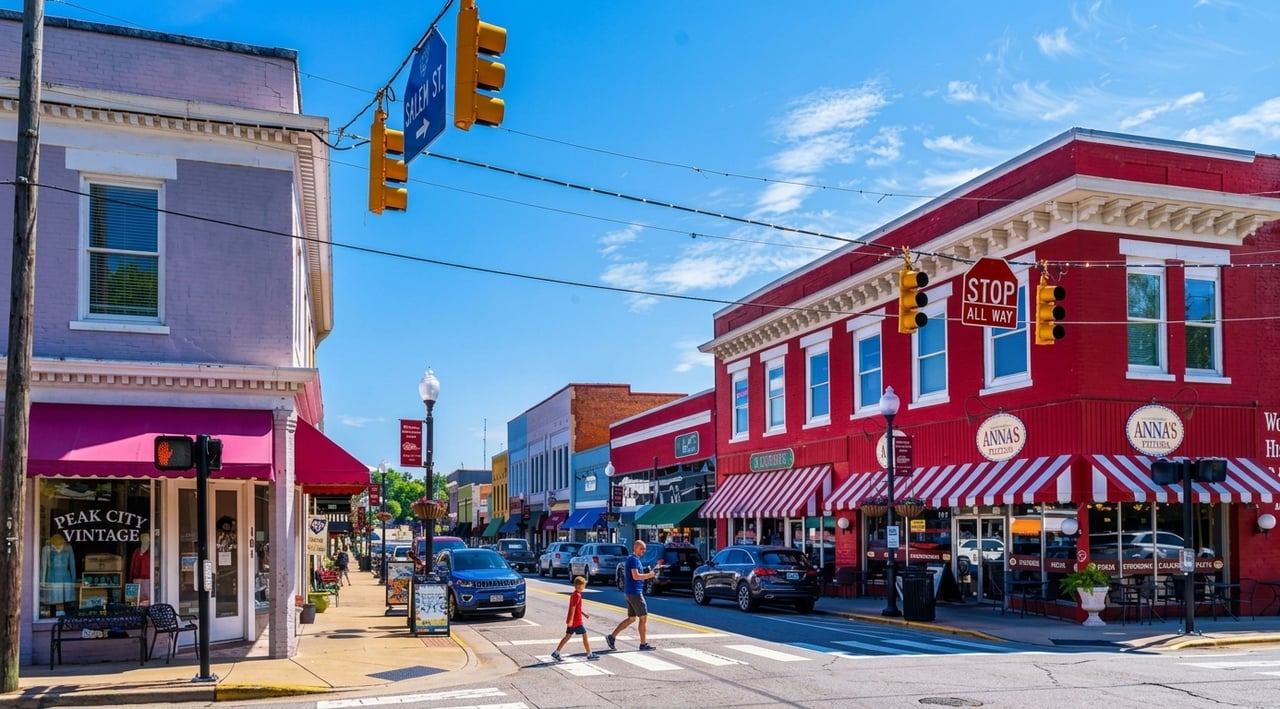
Central Cary also brings a different kind of lifestyle. Downtown Cary includes the Cary Arts Center, which offers classes, camps, theater, galleries, and studio programs, and Cary Village Square adds everyday convenience in the area.
For school anchors, Cary High is located downtown and includes the Academy of Technology and Advanced Manufacturing as a specialty option inside the school. Cary Elementary also serves this part of Cary.
What buyers often like here
Central Cary tends to appeal to buyers who want older trees, established streets, and easier access to downtown amenities. If you care more about neighborhood character and price flexibility than about living in a newer subdivision, this area may feel like a better fit.
It is also a reminder that Cary is not one single housing style or price point. Your best match may be in a more established pocket than you first expected.
Schools and address-specific planning
If schools are part of your home search, it is important to keep expectations realistic and specific. Wake County Public School System uses address-based assignments, and the district notes that reassignment is part of its growth-management process.
That means no article, neighborhood summary, or ZIP code overview can promise a specific school assignment. You should always verify schools at the property level before making a decision.
Cary families may also want to explore additional school-path options. WCPSS encourages families to review magnet schools, career academies, and early college high schools, and Cary-area options in the district’s magnet directory include East Cary Middle and Crossroads FLEX High.
Parks, programs, and daily convenience
For busy families, neighborhood choice is often about more than the house and the commute. It is also about what happens between 3 p.m. and bedtime, and what your weekend looks like without a long drive.
Cary’s greenway system is designed to connect neighborhoods with parks, schools, community centers, and other neighborhoods. That helps explain why park access often becomes part of the home search instead of just a nice extra.
Cary also has a deep lineup of family-focused amenities. Bond Park Community Center offers open gym for badminton, basketball, pickleball, and volleyball, plus full-day camps. The Cary Arts Center adds classes, camps, theater, and studio arts, while Hemlock Bluffs provides trails and environmental education.
Koka Booth Amphitheatre adds another layer with concerts, festivals, and family-friendly performances. For many households, those options shape daily life in a meaningful way.
On errands, the question is usually not whether Cary has grocery options. It is which shopping corridor is closest to the neighborhood you choose. Harris Teeter lists nine Cary locations, and additional anchor stores include Whole Foods at New Waverly Place, Lowes Foods at Mills Park Drive and Tryon Road, and Publix at Bradford Plaza Way.
How to choose the right Cary area
If you are trying to narrow your search, start with how your household actually lives Monday through Sunday. The right area is usually the one that makes your routine easier, not just the one with the newest homes.
Here are a few helpful ways to frame your search:
- Prioritize West Cary if RTP access is a leading goal and you want to explore newer subdivisions and premium move-up options.
- Prioritize South Cary if you want a more established setting with strong parks, recreation, and shopping corridor convenience.
- Prioritize central Cary if price flexibility, downtown access, and mature neighborhood character matter most.
- Verify schools by address for any home you seriously consider.
- Compare your real weekly pattern including commute routes, grocery stops, after-school activities, and weekend plans.
The best Cary neighborhood for your family is rarely about one feature alone. It is usually about finding the area where several priorities line up at once.
If you want help sorting through Cary neighborhoods based on your commute, budget, and day-to-day needs, Renee Rogers can help you match your home search to the way you actually live.
FAQs
Which Cary area is usually best for RTP commuters?
- West Cary is usually the first area to examine for RTP-focused commuting, with South Cary often serving as the next-best balance point.
Which Cary area offers the most price flexibility for buyers?
- Central Cary and older pockets in 27511 and 27513 are the most price-flexible among the ZIP codes covered here, with a wider mix of housing age, style, and price.
What should buyers know about Cary school assignments?
- Wake County Public School System uses address-based assignments, and reassignment can happen, so you should verify schools for any specific property.
What amenities make South Cary attractive for busy families?
- South Cary offers access to places like Hemlock Bluffs Nature Preserve, Bond Park Community Center, and several grocery corridors along Kildaire Farm Road and Tryon Road.
What makes central Cary different from West Cary neighborhoods?
- Central Cary generally offers more established streets, mature trees, downtown Cary amenities, and more flexible price points than many newer West Cary subdivisions.
Why do Cary buyers pay attention to parks and greenways?
- Cary’s greenway system is designed to connect neighborhoods with parks, schools, community centers, and other neighborhoods, which can make daily life easier for active households.