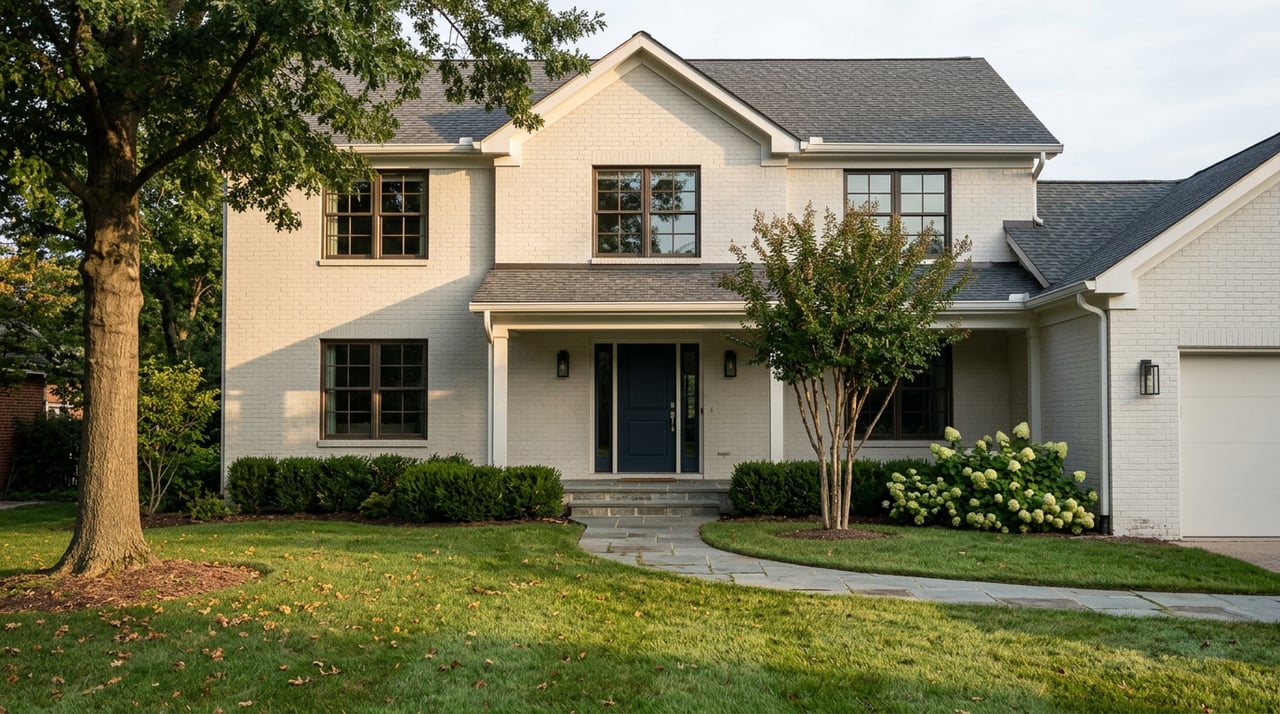
A recent Triangle MLS listing in Fuquay-Varina caught my attention. The property carried the Crooked Creek name, but the listing also noted something buyers can easily overlook: the home relied on a private well and septic system, while public utilities were described as potentially coming to the area in the future.
It is a good example of something I remind buyers often. When you are purchasing a home in a growing area like Fuquay-Varina, never assume the utilities serving one property are the same as those serving another nearby home.
Two properties can be very close to one another and still have completely different water and sewer arrangements.
The Same Neighborhood Name Can Mean Two Different Systems
Fuquay-Varina offers an interesting mix of established neighborhoods, newer planned communities and larger properties that were developed long before much of the surrounding growth occurred.
Because of that, the name of a neighborhood, the age of a home or even the utilities serving the house next door may not tell you exactly what serves the property you are considering.
A newer home may rely on private well or septic, while another property nearby may have access to public water, public sewer or a combination of public and private services.
For buyers, the important question is not simply, “What does this neighborhood usually have?”
It is, “What serves this specific property?”
That distinction can affect inspections, financing, future improvements and ultimately how comfortable you feel moving forward with a purchase.
Why the Utility Picture Keeps Changing
Fuquay-Varina continues to invest in water and sewer infrastructure as the area grows. Major projects and regional partnerships are designed to increase water supply and wastewater capacity over time, including the Town's long-term partnership with the City of Sanford.
Those improvements can eventually change which properties have access to public utilities, but availability can still vary significantly from one property to another.
Annexation is also an important part of that picture. Utility access may not change for an entire neighborhood at the same time.
If a listing mentions future public utilities, I encourage buyers to verify the current status for that particular property directly with the Town rather than making a decision based on a projected timeline.
A property that uses a well or septic system today may eventually have another option, but a possible future connection should never be treated as a certainty until the appropriate agencies confirm it.
Well and Septic Are Part of the Property's Due Diligence
Private well and septic systems are not something buyers necessarily need to fear, but they are something we want to understand.
When I am helping a buyer evaluate a property with a private system, one of the first things I want to determine is exactly what serves the home and what records are available.
Another document I encourage buyers to review is the available septic permit. It can tell us much more than simply whether a septic system exists, including important information about the system and its permitted capacity.
We also want to understand the system's maintenance history and when it was most recently pumped. Many household septic tanks are typically pumped every three to five years, although the appropriate schedule can vary depending on the system, household use and other factors.
Prior MLS information should never replace reviewing the available records for the specific property.
The same approach applies to a private well. Buyers may want to understand the well's history, condition and water quality and discuss appropriate testing with qualified professionals during the due diligence period.
The goal is not to make assumptions about the system. It is to gather enough information to understand what you are purchasing.
Financing Can Add Another Layer
If you are financing a home with a private well or septic system, your lender may have additional requirements depending on the property and the type of loan you are using.
Those requirements can involve water testing, documentation of the property's systems or confirmation that the well and septic meet applicable standards.
Because lending guidelines can change and the requirements are not identical for every property or loan program, I recommend having that conversation with your lender as early as possible.
This is one area where asking questions before you are deep into the due diligence period can save time and reduce surprises later in the transaction.
What I Encourage Buyers to Verify
When my buyers are considering a Fuquay-Varina property with a well, septic system or uncertainty surrounding public utilities, these are some of the questions I want us asking early:
- What is the actual water source and wastewater system serving this specific property?
- Is a septic permit available, and what does it tell us about the system and its permitted capacity?
- What maintenance records are available, including the most recent septic pumping or service information?
- What inspections or water testing should be considered, and does the lender have additional requirements for this particular loan?
- If future public water or sewer is mentioned, what does the Town currently show for this specific property, and is there actually an approved timeline?
Those answers can help us decide what additional information or professional evaluations we need before the due diligence period gets away from us.
The Seller's Disclosure Is Helpful, but It Is Only One Piece
The Residential Property and Owners' Association Disclosure Statement is one document buyers can review.
That disclosure can provide useful information about the property's water supply, sewage disposal system and the seller's knowledge of certain property conditions.
I still do not consider it a substitute for a buyer's own due diligence.
Available permits, municipal and county records, inspections, water testing when appropriate and conversations with qualified professionals can provide information that may not be apparent from the disclosure form alone.
Renee's Take
One of the things I remind buyers is that two homes in the same area can look very similar on paper while having completely different utility situations.
A private well or septic system is not automatically a negative. What matters is understanding what serves the property, reviewing the information that is available and knowing what questions to ask before making important decisions.
Fuquay-Varina's continued growth makes that especially important. New development and expanding infrastructure can change the landscape around a property, but buyers should make decisions based on what is confirmed today rather than what might happen sometime in the future.
That is where having experienced local representation can make a difference. My job is not to replace the lender, inspector, septic professional or local government. It is to help you identify the questions that need to be asked, connect you with the appropriate resources and make sure important details do not get overlooked along the way.
Considering a home in Fuquay-Varina or elsewhere in the Triangle? I would be happy to help you understand what to look for and what questions to ask before you write an offer. Let's find the home that is the right match for you.
This article is general information, not legal, tax or financial advice. Consult a qualified professional about your situation.