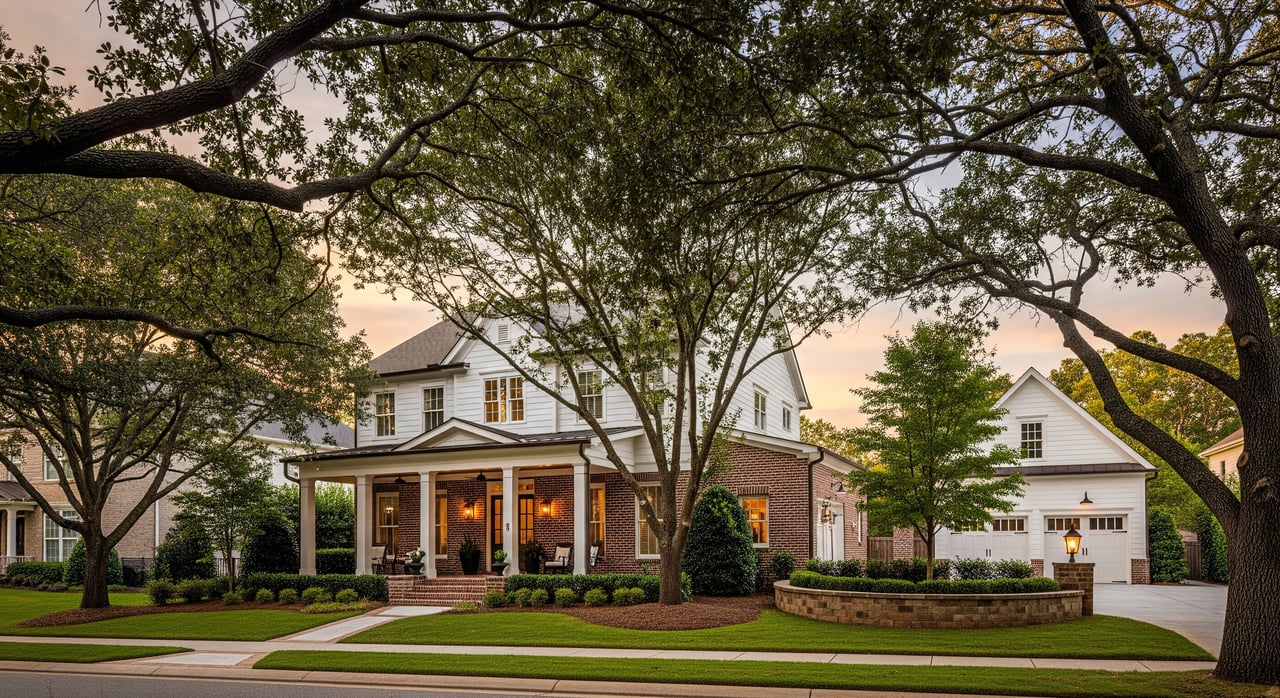
Trying to decide between Cary and Apex for your next move? You are not alone. Both towns are family favorites in Wake County, with strong communities and day-to-day convenience that make life easier. In this guide, you will compare commutes, parks and greenways, housing options, and everyday amenities. You will also get a simple decision framework and a neighborhood tour checklist so you can choose with confidence. Let’s dive in.
Quick feel: Cary vs. Apex
Cary is larger and blends suburban and urban elements. You will find a wide mix of neighborhoods, from older established areas to new master-planned communities, plus multiple employment hubs within town limits.
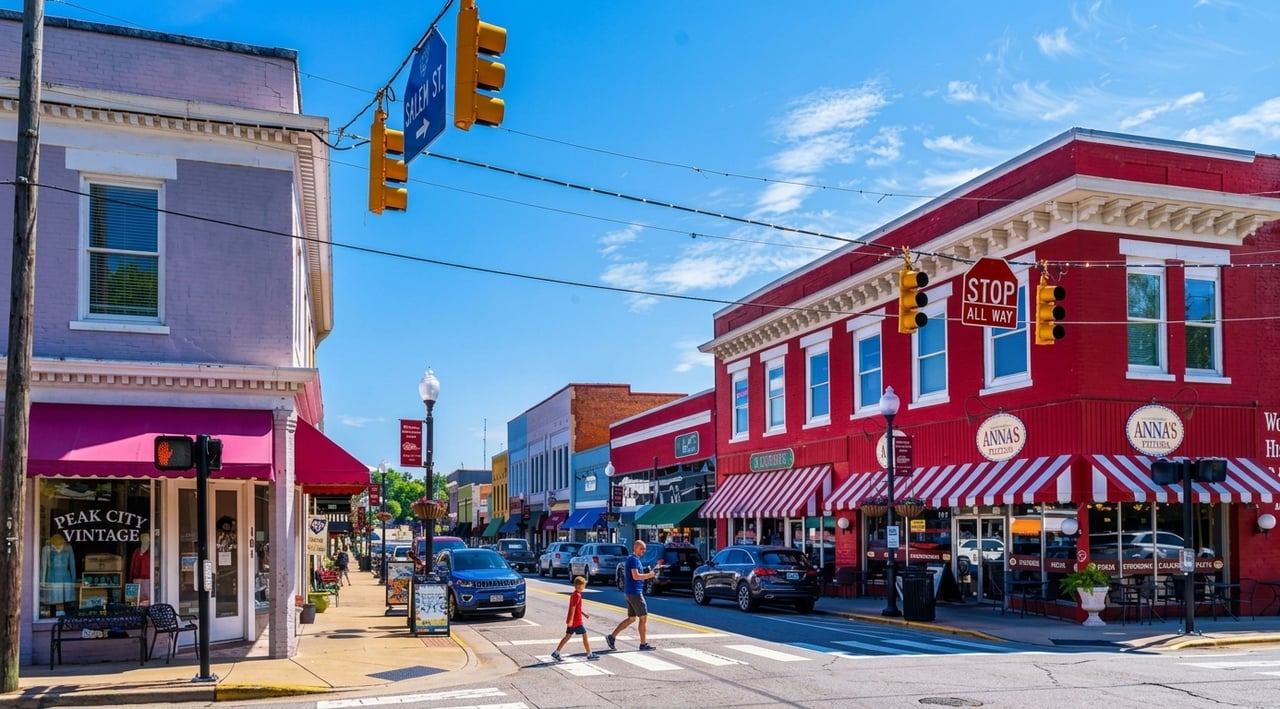
Apex is smaller with a pronounced historic downtown. Many newer neighborhoods sit to the south and west, creating a village-scale feel near Main Street and a strong sense of community.
Both towns have grown quickly. Cary’s growth has been steady across older areas and edges, while Apex has added many new subdivisions. Planning pages for each town outline upcoming projects that can shape daily life, like new roads or greenway links.
Commute and transportation
Major job hubs and routes
Primary work destinations include Research Triangle Park, downtown Raleigh, RDU Airport, and corporate or medical campuses in Cary. Cary sits closer to much of RTP and offers multiple access corridors, including I-40, US-1, NC-54, and NC-55.
From Apex, many commuters use US-1, US-64, or I-540 to reach RTP or Raleigh. Neighborhood location matters, so note whether your route relies on local streets or direct arterials.
Typical travel times
Both towns are car oriented, with most residents driving to work. Wake County’s median one-way commute time commonly falls in the mid-20s to low-30s minutes. Trips from Cary to RTP can be shorter depending on your start and end points. From Apex, some trips run longer due to highway connections and peak-hour traffic.
Transit and biking
Cary typically offers more municipal transit options and partnerships. Apex has more limited fixed-route service, with on-demand or pilot programs changing over time. Both towns invest in greenways and bike lanes. Bicycle commuting remains a small share overall but is growing where trails and bike routes connect safely to workplaces or transit stops.
What this means for you
- If commute time is critical, map sample drives from candidate neighborhoods during rush hour.
- For multi-work households, compare average drive times to each workplace, not just town averages.
- If you plan to use transit or bike, confirm current routes, park-and-ride locations, and bike connections.
Parks and greenways
System overview
Cary has an extensive park system with large destination parks and a wide greenway network that links neighborhoods, schools, and recreation centers. Families enjoy a mix of athletic fields, playgrounds, nature preserves, and community programming.
Apex offers smaller overall park acreage and a notable downtown green space network. You will find community-scale parks, sports fields, and growing greenway links that connect neighborhoods to parks and downtown.
Family use and access
Greenway connectivity is a big win for daily family life. In Cary, many neighborhoods tie into long, continuous trails. In Apex, you will see growing links that connect to parks and Main Street. Look for direct, off-street routes to a playground or trailhead you can reach on foot or bike.
Recreation programs
Both towns run youth sports, camps, and classes. Cary’s larger system often means broader offerings and facility hours. Apex’s programming is community oriented and often centered around the downtown area and community centers.
What this means for you
- If daily outdoor time is a priority, identify neighborhoods that connect directly to a greenway or park.
- For weekend lake access, nature programs, or larger facilities, Cary often provides more destination-scale options.
- For frequent downtown events in a walkable setting, Apex’s compact core stands out.
Housing and budgets
What you will find
Cary offers a wide range of homes: mid-century neighborhoods, infill communities, townhomes and condos, and newer master-planned developments. You will also see more attached homes and apartments near employment corridors.
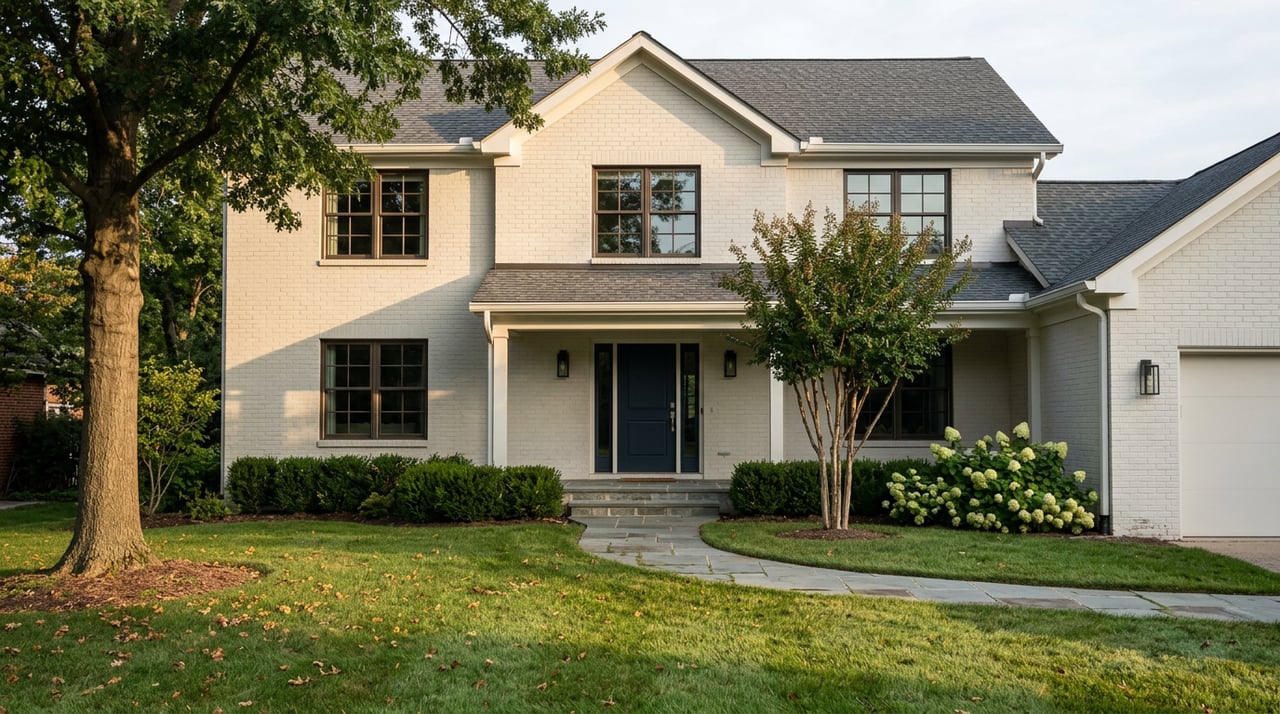
Apex leans toward newer single-family neighborhoods with modern layouts. Townhomes are available but less common than in Cary, and the historic downtown area offers cottage-scale homes with character.
Lots and neighborhood pattern
Cary’s lot sizes vary widely, from small-lot infill to larger suburban lots and some estate-style properties on the edges. Apex’s newer subdivisions tend to have modest to mid-sized yards, with larger lots more common on the outskirts.
Price dynamics and inventory
Both markets have seen strong appreciation, and inventory can be tight. Historically, certain Cary areas command a premium due to proximity to employers and established neighborhoods. Apex’s demand for newer single-family homes has pushed prices up as well. Always review current data for median prices, days on market, and neighborhood-level trends before you decide.
Ownership costs
Expect property taxes that combine Wake County and municipal rates. Many master-planned communities have HOAs, so include monthly dues and any assessments in your budget. Ask about utility costs and any conservation or maintenance fees.
New construction options
Apex has had robust new-home activity in recent years. Cary offers both infill and larger planned communities, with a mix of new builds and older homes. If you want brand-new, look at active builder communities in both towns.
What this means for you
- For the same budget, expect tradeoffs. In Cary, you may find older homes with larger yards or smaller, closer-in neighborhoods. In Apex, you may find newer construction with contemporary layouts, sometimes on smaller lots.
- Define must-haves early: bed and bath count, yard size, garage needs, floor plan, and HOA tolerance.
Everyday convenience
Shopping and groceries
Cary has multiple shopping corridors and a broad mix of groceries, specialty markets, and services. Depending on where you live in Apex, you will find a lively Main Street for daily needs and restaurants, plus newer retail centers. Some Apex residents drive to nearby Cary areas for a wider selection.
Medical and wellness
Cary hosts significant medical facilities and urgent care options, with quick access to larger hospital systems in the region. Apex provides community clinics and family services. For major hospital care, many residents head to Cary or Raleigh based on location and provider preference.
Dining and events
Cary’s dining scene is spread across neighborhoods and mixed-use centers. Apex’s historic downtown offers a walkable cluster of restaurants, coffee shops, and seasonal events that create an easy Friday-night routine.
Remote work and connectivity
High-speed internet coverage is strong across Wake County, but speeds vary by provider and subdivision. If remote work is important, confirm service options and speeds for specific addresses.
Simple decision framework
Use this quick scoring guide to compare candidate neighborhoods. Rate each factor 1 to 5 and multiply by the weight. Total the scores to reveal your best fit.
- Commute priority — 25%: Test drives during peak times to each workplace.
- Neighborhood character — 20%: Prefer walkable historic downtown or larger master-planned settings.
- Parks and recreation — 15%: Daily greenway access vs. occasional destination parks.
- Housing fit and budget — 25%: Product type, age, lot size, HOA tolerance.
- Everyday convenience — 15%: Proximity to groceries, medical, and dining on your usual routes.
Tip: Score two to three neighborhoods in each town to see a clear pattern.
Neighborhood tour checklist
- Drive times: Measure real commute times during your typical hours.
- Walk and bike test: Explore a 10 to 15 minute radius for parks, coffee, and services.
- Greenway and park access: Check for direct routes without crossing high-speed roads.
- Street feel: Look at parking, sidewalks, lighting, and tree canopy.
- Noise and traffic: Note proximity to arterials, schools, and active construction.
- Neighborhood amenities: Confirm pool, clubhouse, sidewalks, and playground condition.
- Connectivity: Test cell reception and ask about ISP options and speeds.
- HOA and costs: Ask about dues, rules, assessments, and trash or recycling logistics.
Sample buyer profiles
- Buyer A — Fast RTP access and broad services: Lean Cary neighborhoods near RTP or along direct arterials.
- Buyer B — Historic downtown feel and newer homes: Lean Apex near Main Street or newer subdivisions south of downtown.
- Buyer C — Larger yard within a set budget: Compare older Cary options farther from centers with edge-lot choices in Apex.
Choosing between Cary and Apex comes down to how you live day to day. If you want a broad range of housing choices, larger parks, and multiple shopping and medical hubs, Cary often delivers. If you value a tight-knit downtown vibe and newer single-family neighborhoods with strong community identity, Apex shines. Ready to narrow it down with a tailored plan and a neighborhood tour that fits your family’s priorities? Reach out to Renee Rogers to get started.
FAQs
How do Cary and Apex commutes compare to RTP?
- Cary is generally closer to many RTP destinations with more direct corridors, while Apex often relies on US-1, US-64, or I-540, which can add time during peak hours.
Which town has better park and greenway access for families?
- Cary typically offers a larger, more connected greenway system and destination parks, while Apex provides a growing network and strong downtown-centered green spaces.
Where will I find more newer-construction homes?
- Apex has seen strong recent new-home activity, while Cary offers both new builds and a wide range of older homes, including infill in established areas.
How should I compare ownership costs beyond price?
- Factor in municipal and county taxes, HOA dues, utilities, and any maintenance or conservation fees that may apply to master-planned communities.
Is either town walkable for daily errands and dining?
- Downtown Apex is a compact, walkable core for dining and events, while Cary’s walkability is strongest in older central neighborhoods and mixed-use centers.